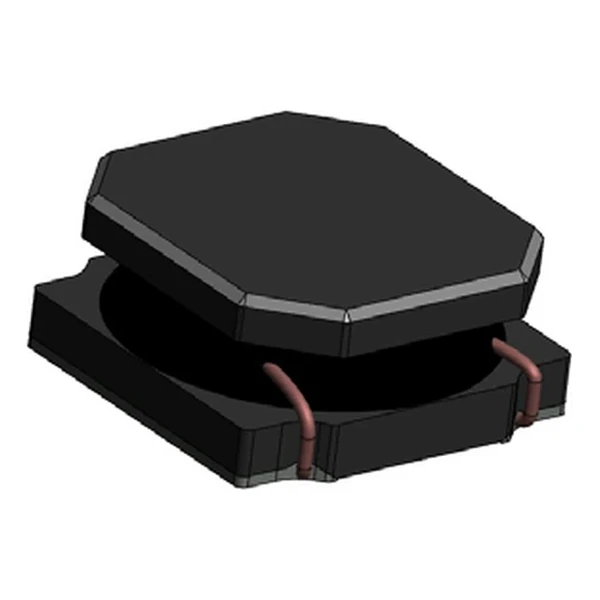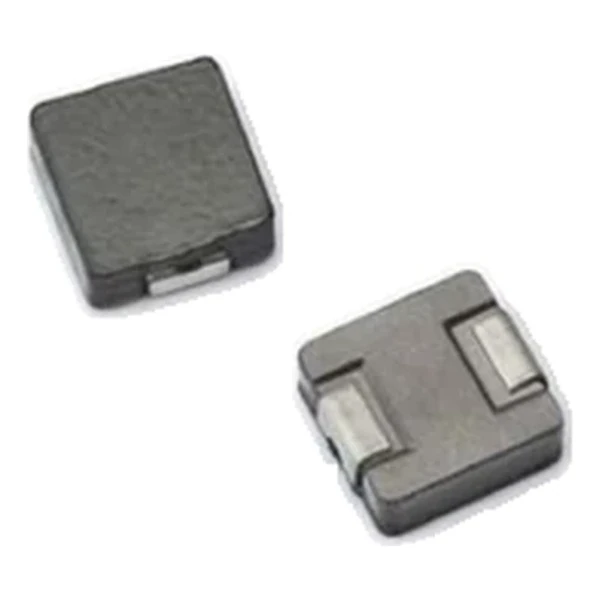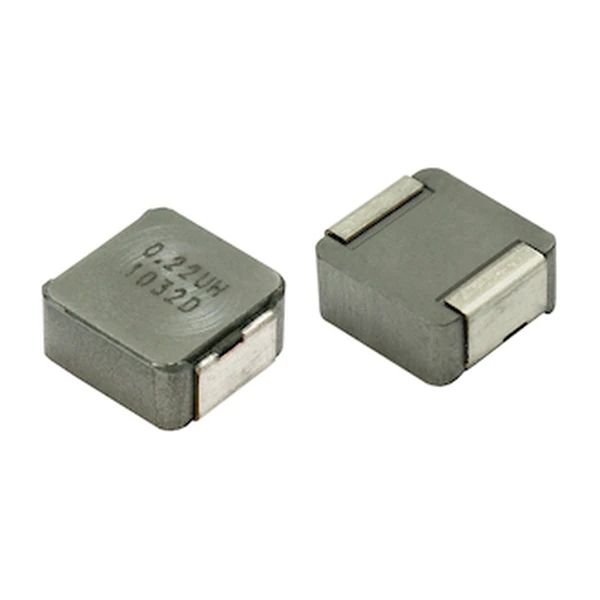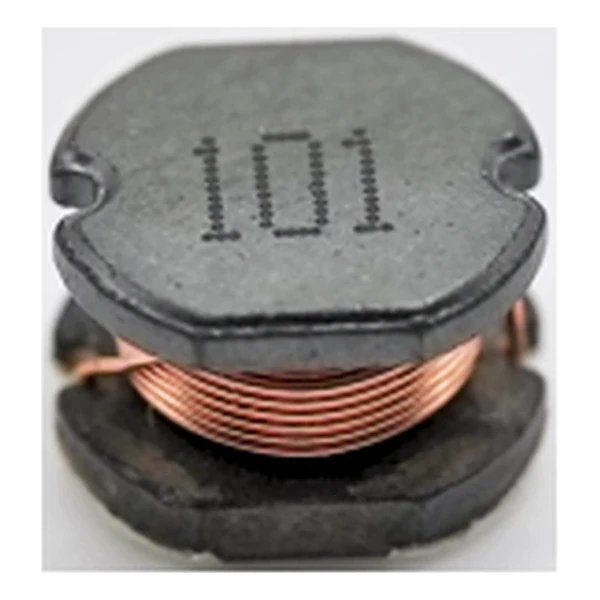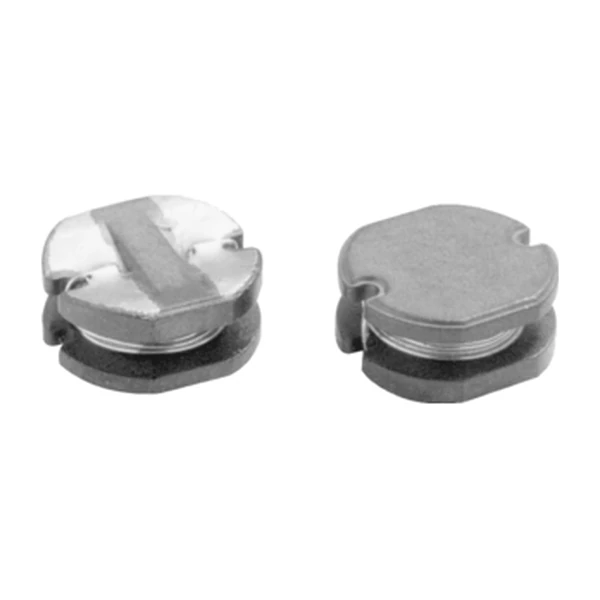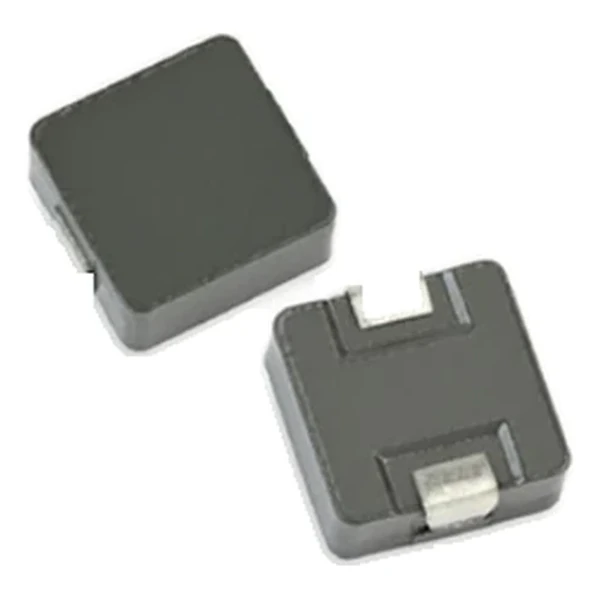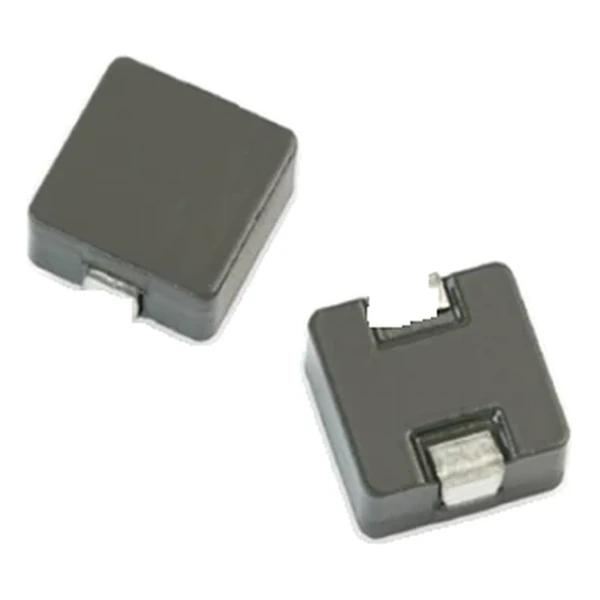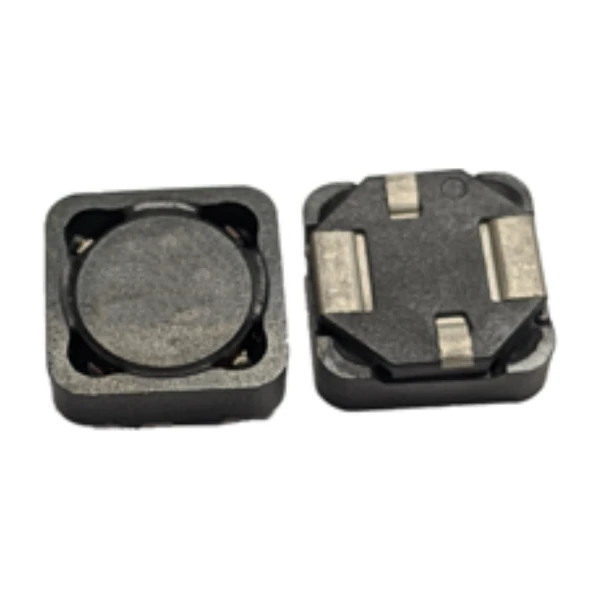
Eaton DRAP124-8R2-R 8.2 uH AEC-Q200 Drum Core, 3.87 A
- Product Details
- Download
Eaton DRAP124-8R2-R 8.2 uH AEC-Q200 Drum Core, 3.87 A
Ratings at a Glance
| Parameter | Value |
|---|---|
| Orderable part number | DRAP124-8R2-R |
| Rated inductance | 8.2 uH ±20% |
| Open circuit inductance (OCL) | 8.88 uH |
| Irms (40 °C rise) | 3.87 A |
| Isat1 (30% rolloff @ +25 °C) | 6.7 A |
| Isat2 (40% rolloff @ +125 °C) | 5.36 A |
| DCR typical @ 20 °C | 28 mOhm |
| DCR maximum @ 20 °C | 34 mOhm |
| K-factor (Bp-p = K x L x dI) | 42.8 |
| Package | 12.5 x 12.5 x 4.6 mm, four-terminal |
| Mounting | Surface mount |
| Operating temperature | -40 °C to +165 °C |
| Qualification | AEC-Q200 |
| RoHS | Compliant (-R suffix) |
Reading the Data Sheet
This is the automotive grade version of the drum core family: AEC-Q200 qualified, shielded, and rated to 165 °C including self-temperature rise. The electrical behaviour is familiar; the qualification and the mechanical build are not.
At 165 °C the copper resistivity is about 60% higher than at 20 °C, so the DCR in the table is optimistic at the hot corner - budget the loss accordingly.
The saturation current is measured at a defined roll-off, and Eaton states the percentage on the data sheet: Isat1 is the 30% rolloff point at +25 °C, Isat2 the 40% rolloff at +125 °C. Read the number with the percentage in hand, because "saturation" means different things at 25% and at 40%.
Series Positioning
DRAP124 is the four-terminal version of the 12.5 mm automotive drum core. Two extra terminals clamp the body to the board, which is what makes it survive 30 g vibration - a two-terminal part of the same size does not.
- Typical applications: Automotive body electronics, LED lighting, ADAS, HVAC, infotainment, vibration-exposed modules.
- The fourth terminal is mechanical, not electrical - the pad layout has to account for it, and it is not a drop-in replacement for a two-terminal DR part.
- Data sheet 11040.
Sizing It Into a Design
8.2 uH is in the middle of what this series covers. Moving up in inductance costs DCR and saturation current; moving down buys both, at the price of ripple.
Efficiency is set by where you sit on the loss curve, and the curve moves with switching frequency. A part that is excellent at 300 kHz can be mediocre at 1 MHz with the same current, because the core loss term takes over.
Frequently Asked Questions
What does AEC-Q200 cover?
The qualification of the component itself: thermal shock, vibration, moisture, life and electrical stress. It does not qualify your assembly or your thermal design.
What is the operating temperature?
-40 °C to +165 °C, ambient plus self-temperature rise. That covers under-hood modules with margin for the rise.
Why are there two Isat values?
The first is the 30% roll-off point at +25 °C, the second is the 40% roll-off at +125 °C. Hot ferrite saturates earlier, so the second number is the one to use at temperature.
Design note: four terminals carry the vibration load - the mechanical joints need the same solder volume as the electrical ones, and the pad layout is not a two-terminal footprint.
Mechanical Dimensions

Dimensional drawing and recommended PCB pad layout from the Eaton data sheet. Tolerances and pad dimensions are as printed on the drawing; check the outline against your layout before release.
Shenzhen Gaorunxin Technology Co., Ltd
Online message
Shenzhen Gaorunxin Technology Co., Ltd