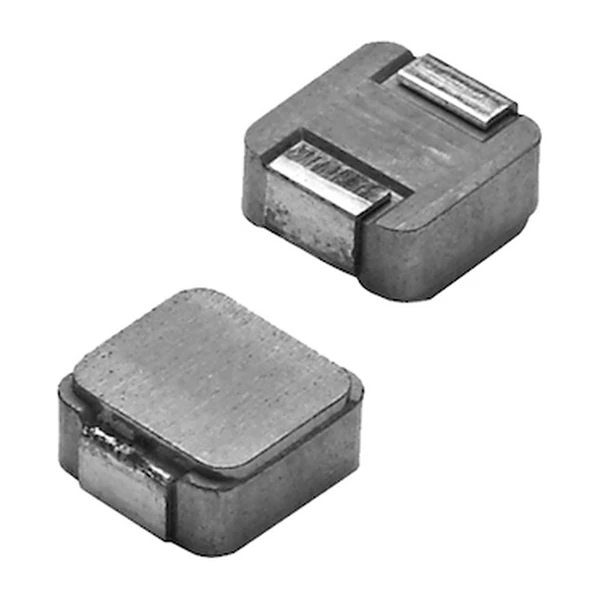


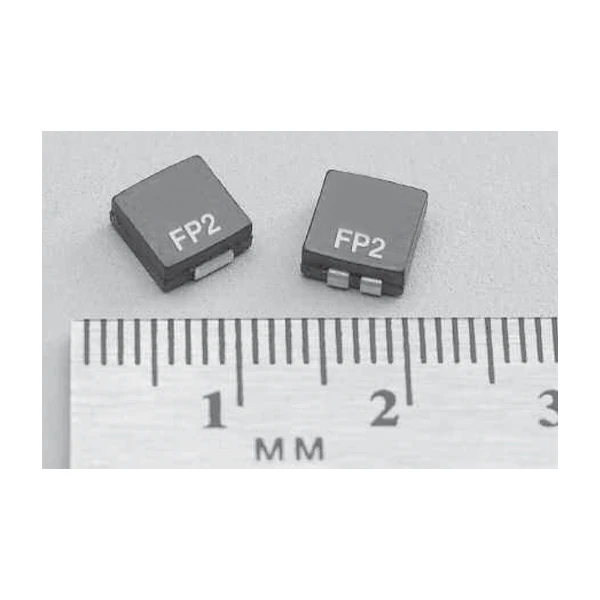
Eaton FP2-D082-R 82 nH Power Inductor, 37 A
- Product Details
- Download
FP2-D082-R at a glance: 82 nH high current power inductor, 37 A Irms, 26 A Isat, DCR 0.26 mOhm, 7.2 x 6.7 mm body, 3.0 mm or 5.0 mm tall.
Eaton FP2-D082-R High current power inductors
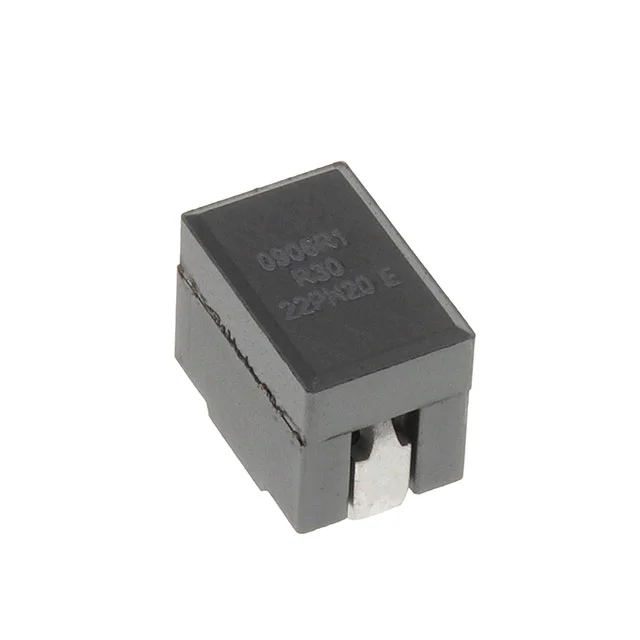
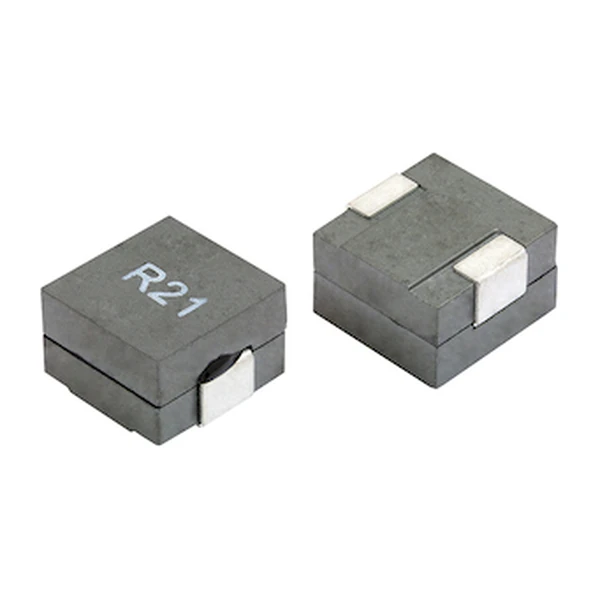
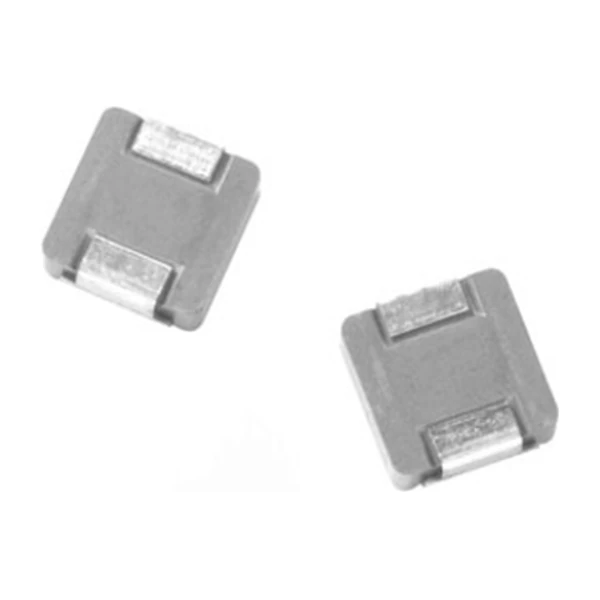
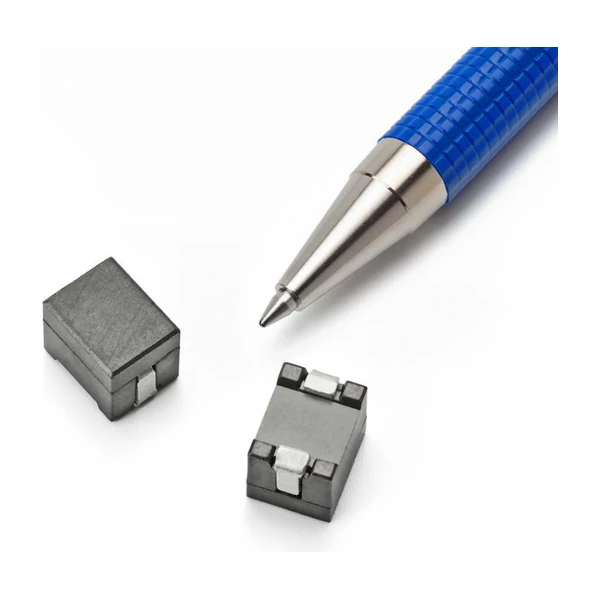
Eaton FP2-D082-R is a high current power inductor in a 7.2 x 6.7 mm surface-mount package. It carries 82 nH of open-circuit inductance with 37 A Irms and a typical DCR of 0.26 mOhm, which places it in the switching stage of a multi-phase regulator rather than in bulk energy storage. The body is 3.0 mm or 5.0 mm tall and rated from -40 °C to +125 °C.
Ratings at a Glance
| Orderable part number | FP2-D082-R |
| Inductance, OCL (0 Adc) | 82 nH |
| Irms (40 °C rise, no core loss) | 37 A |
| Isat (30% roll-off @ +20 °C) | 26 A |
| DCR typical @ +20 °C | 0.26 mOhm |
| Volt-microsecond rating | 0.75 V-us |
| Package | 7.2 x 6.7 mm, 3.0 mm / 5.0 mm height |
| Core material | Ferrite, magnetically shielded |
| Operating temperature | -40 °C to +125 °C (ambient plus self-temperature rise) |
| RoHS | Compliant (-R suffix) |
| Windings in series | second connection mode, same part |
| Inductance, OCL | 328 nH |
| Irms | 16 A |
| Isat | 13 A |
| DCR typical @ +20 °C | 1.3 mOhm |
What the Numbers Mean
82 nH is the unbiased inductance. The data sheet does not publish a separate full-load figure for this part, so leave margin when you compute ripple at rated current.
Peak current at 30% roll-off is 26 A at +20 °C. If your ripple is large the peak can sit well above the DC operating point, so check the sum of DC plus half the ripple, not the DC figure on its own.
The 356 mW dissipated at 37 A through 0.26 mOhm is what sets the 40 °C rise behind the Irms column. Because that figure excludes core loss, a converter running at high frequency with large ripple will heat the part more than the table suggests.
The data sheet for this part does not publish a K-factor, so core loss has to come from the loss curve rather than from a formula. If the ripple is large, measure it on the bench rather than assuming the 40 °C Irms margin covers it.
Positioning in the FP Range
This is one of the smaller bodies in the FP range. At 7.2 x 6.7 mm it is meant for point-of-load stages and multi-phase VRMs where board area is the binding constraint and current per phase is tens of amps rather than hundreds. At 82 nH this is a low-inductance point for the family, which means high ripple for a given input voltage and duty cycle. That is the intent: these parts are chosen when the converter switches fast and the inductor shapes the ripple rather than storing bulk energy.
That makes it part 6 of 15 when the data sheet is sorted by inductance, DCR sits between the 0.24 and 0.28 mOhm the series covers, Irms of 37 A is the bottom of the family.
- Application fit: Servers, Multi-phase and Vcore regulators, Voltage Regulator Modules (VRMs).
- Construction: ferrite core, magnetically shielded, surface mount, supplied on tape and reel.
- Temperature: -40 °C to +125 °C, ambient plus self-temperature rise.
Design Notes
The order of checks that works: compute ripple from 82 nH and the duty cycle, add half of it to the DC load to get peak, compare that peak with Isat at the real ambient, and only then look at Irms for heating. Doing it the other way round hides saturation problems.
On the board, place the part so the switch-node copper is short and wide. At 0.26 of DCR the component is not the resistive bottleneck; the trace and the vias usually are. Thermal vias under the body help more than a bigger copper pour further away.
Dimensions and Pad Layout
The drawing below is taken from the Eaton data sheet for this series: body outline, recommended pad layout and winding schematic. Pad geometry matters more than usual here, because the terminals are large and the body sits low, so an undersized pad wicks solder and lifts the part off the plane.

Frequently Asked Questions
Why does DCR have both a typical and a maximum figure?
The typical value is what the winding measures in production, the maximum is the limit the part is guaranteed to stay under. Size conduction loss on the maximum, because that is the worst case across a production run and over temperature.
Can I substitute a lower inductance in the same body?
Only after checking saturation. Lower inductance means higher ripple and a higher peak current for the same DC load. The part with less inductance usually has more saturation headroom, but the ripple penalty is real, so recalculate peak current before substituting.
Shenzhen Gaorunxin Technology Co., Ltd
Online message
Shenzhen Gaorunxin Technology Co., Ltd