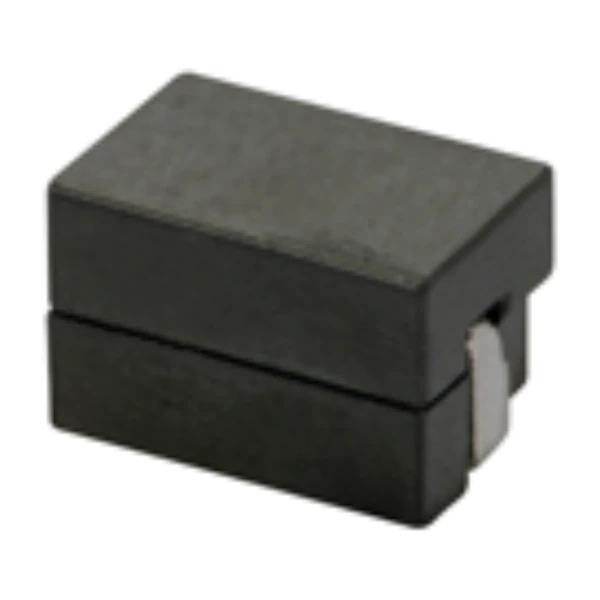


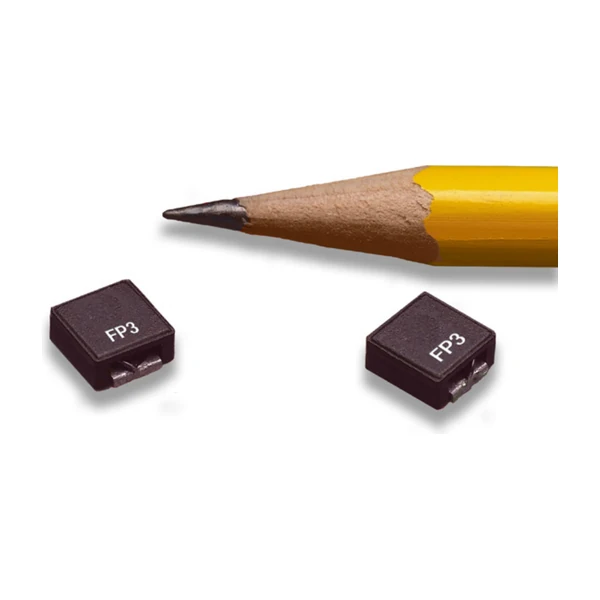
Eaton FP3-R68-R 720 nH Power Inductor, 9.72 A
- Product Details
- Download
FP3-R68-R at a glance: 720 nH high current, low profile inductor, 9.72 A Irms, 9 A Isat, DCR 3.85 mOhm, 7.25 x 6.7 mm body, 3.0 mm tall.
Eaton FP3-R68-R High current, low profile inductors
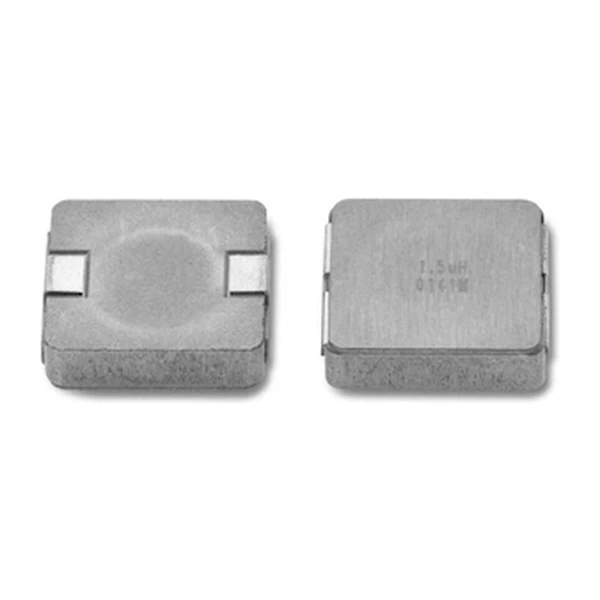
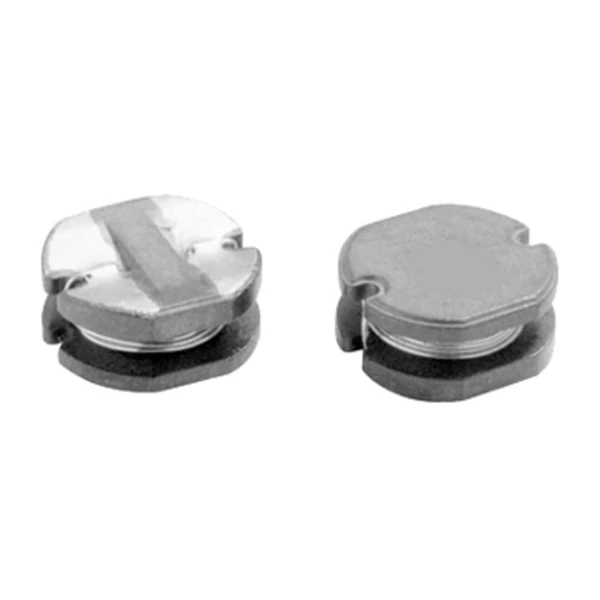
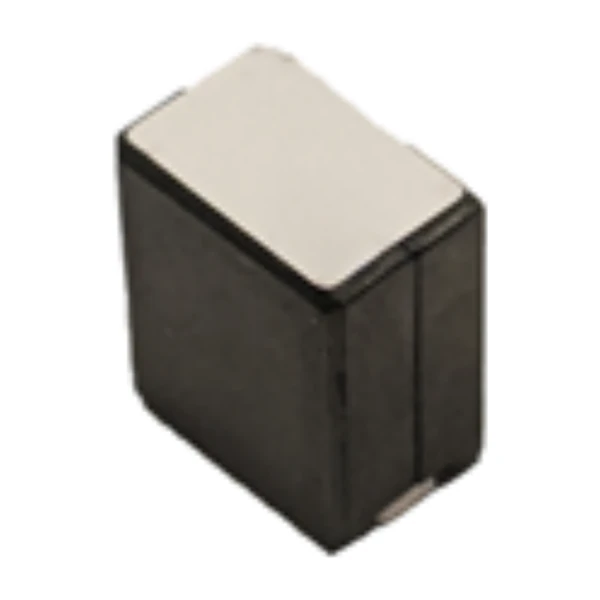
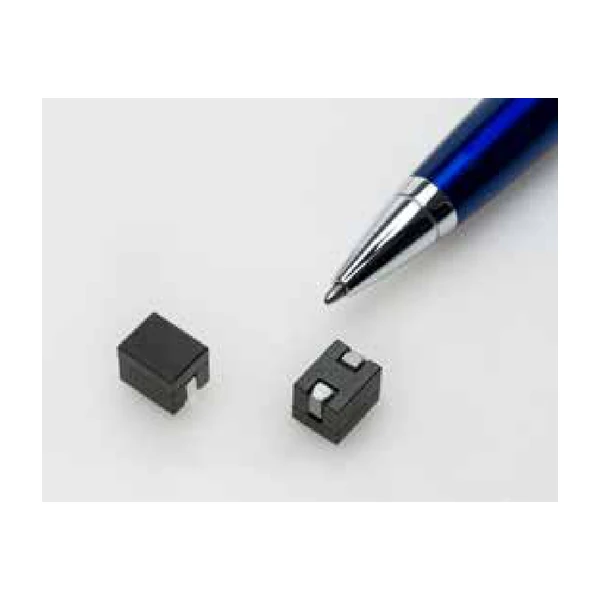
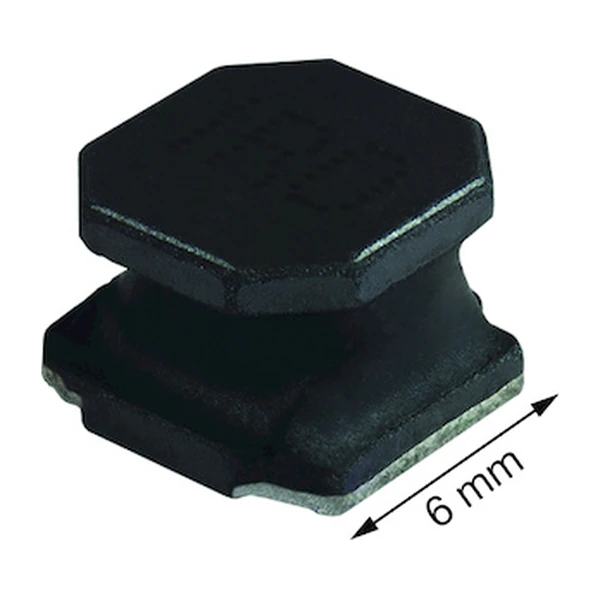
The FP3-R68-R is a 7.25 x 6.7 mm high current, low profile inductor from Eaton, rated 9.72 A Irms at 720 nH and 3.85 mOhm typical DCR. It is a surface-mount part 3.0 mm tall, operating from -40 °C to +155 °C, and it is built for the phase node of a buck regulator where the inductor sets ripple and the control loop sets the rest.
Key Specifications
| Orderable part number | FP3-R68-R |
| Inductance, OCL (0 Adc) | 720 nH |
| Irms (40 °C rise, no core loss) | 9.72 A |
| Isat | 9 A |
| Isat2 | 11.6 A |
| DCR typical @ +20 °C | 3.85 mOhm |
| DCR maximum @ +20 °C | 4.63 mOhm |
| K-factor (Bp-p = K x L x dI) | 268 |
| Package | 7.25 x 6.7 mm, 3.0 mm height |
| Core material | Ferrite, magnetically shielded |
| Operating temperature | -40 °C to +155 °C (ambient plus self-temperature rise) |
| RoHS | Compliant (-R suffix) |
Reading the Data Sheet
720 nH is the unbiased inductance. The data sheet does not publish a separate full-load figure for this part, so leave margin when you compute ripple at rated current.
Peak current at the quoted roll-off is 9 A. If your ripple is large the peak can sit well above the DC operating point, so check the sum of DC plus half the ripple, not the DC figure on its own.
Irms of 9.72 A is a thermal rating: the current that lifts the part about 40 °C with no core loss counted. Into 3.85 mOhm that is roughly 364 mW of copper loss, which is where the rise comes from. Add core loss and the usable DC current falls below the tabulated value.
Flux swing follows Bp-p = K x L x dI. With K = 268 and a ripple of 2.7 A the core sees roughly 52.1 mT, which is the number to put into the core-loss curve before you trust a 40 °C rise estimate.
Positioning in the FP Range
This is one of the smaller bodies in the FP range. At 7.25 x 6.7 mm it is meant for point-of-load stages and multi-phase VRMs where board area is the binding constraint and current per phase is tens of amps rather than hundreds. At 720 nH this sits at the high-inductance end of the family. Ripple is small and core loss with it, but there is less headroom before saturation, because saturation current falls as inductance rises in the same can.
That makes it part 4 of 12 when the data sheet is sorted by inductance, DCR sits between the 1 and 106 mOhm the series covers.
- Application fit: Voltage Regulator Modules (VRMs), Multi-phase regulators, Desktop and server VRMs and EVRDs.
- Construction: ferrite core, magnetically shielded, surface mount, supplied on tape and reel.
- Temperature: -40 °C to +155 °C, ambient plus self-temperature rise.
Sizing and Layout Notes
Size the inductor on peak current first, not average. With 720 nH the ripple can be a large fraction of the DC term at low inductance, so the peak may be well above the load current - and saturation cares about the peak.
On the board, place the part so the switch-node copper is short and wide. At 3.85 of DCR the component is not the resistive bottleneck; the trace and the vias usually are. Thermal vias under the body help more than a bigger copper pour further away.
Mechanical Dimensions and Pad Layout
Body outline, pad layout and schematic follow. Check the pad drawing against your own footprint library before the first build: these parts are heavy relative to their footprint and the solder joint carries both the current and the mechanical load.

Frequently Asked Questions
Is this part AEC-Q200 qualified?
No. The FP, FPT and FPV families are commercial-grade parts rated for the operating temperature range in the table. For automotive work Eaton uses the EXLA and DRA families, which carry AEC-Q200 qualification and a wider temperature range.
How is the part packed?
Tape and reel, with the reel quantity stated in the packaging section of the data sheet. The parts are polarised by the terminal marking, so check orientation in the reel before setting up the feeder.
Shenzhen Gaorunxin Technology Co., Ltd
Online message
Shenzhen Gaorunxin Technology Co., Ltd