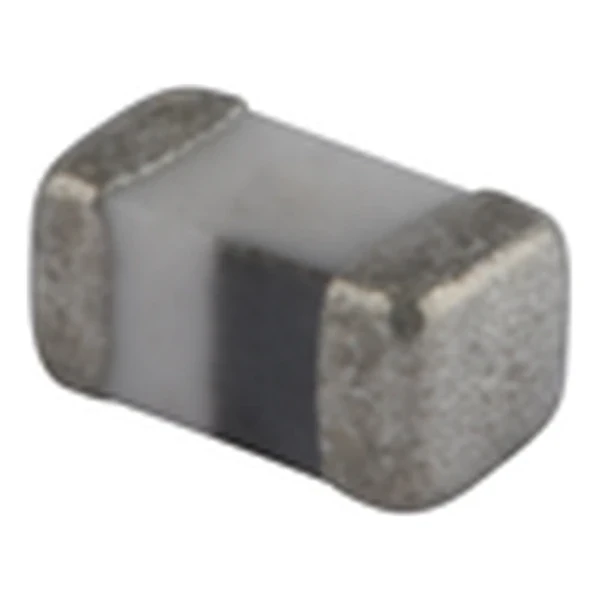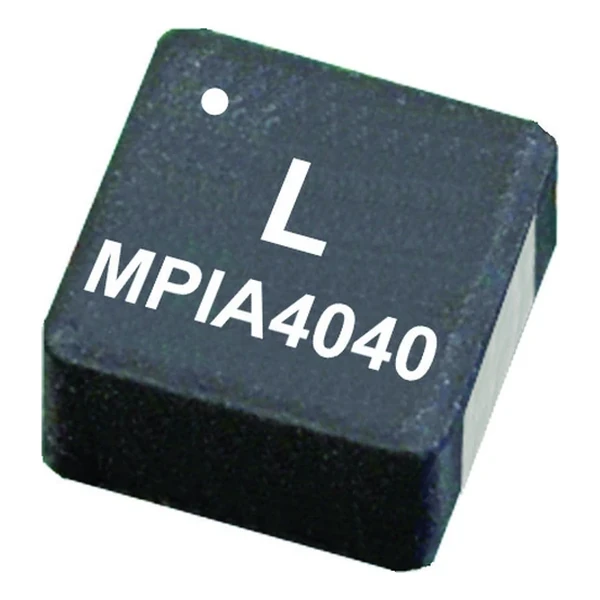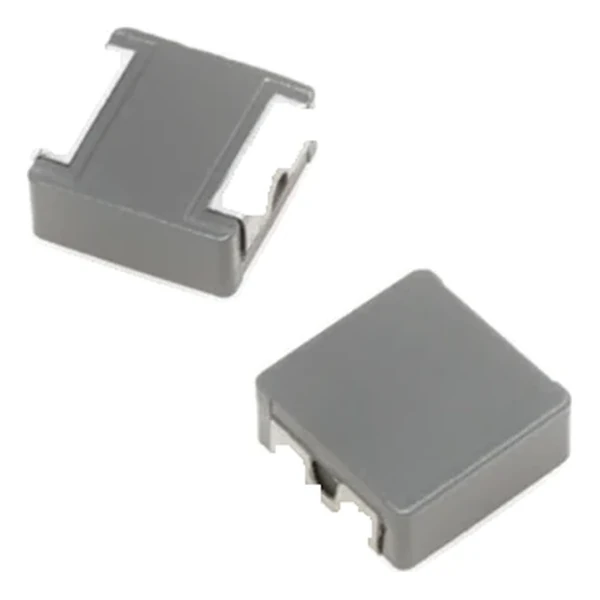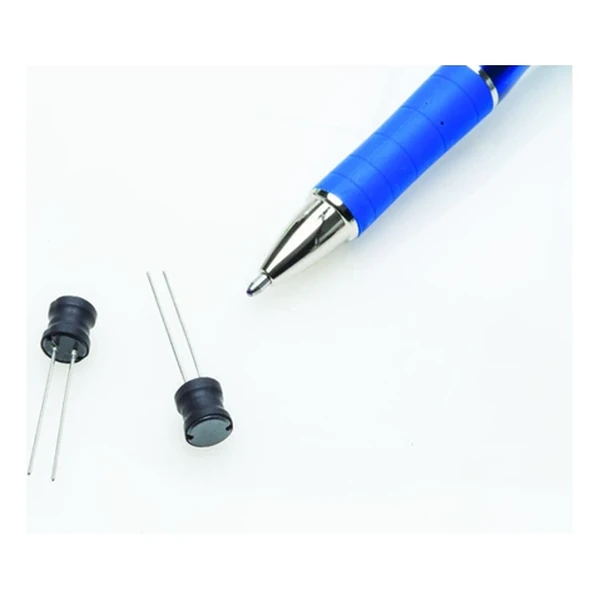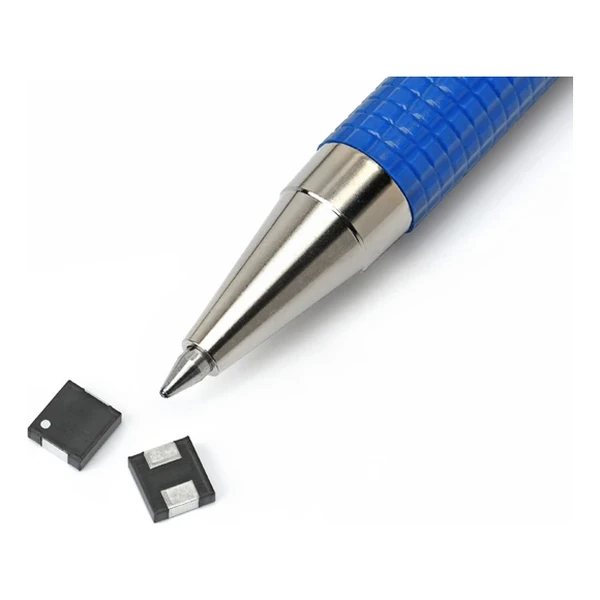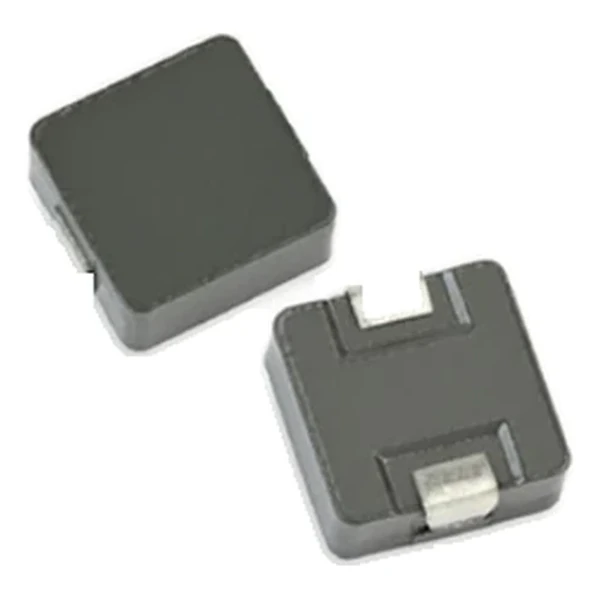


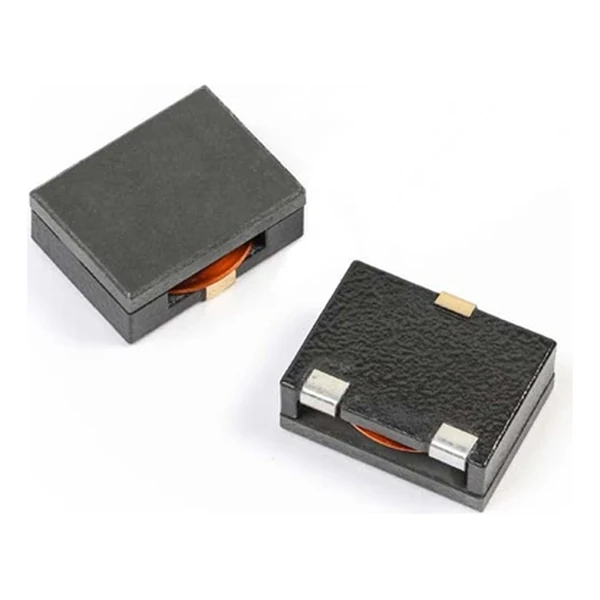
Eaton HCV1605R1-R375-R 0.375 uH Power Inductor, 20 A
- Product Details
- Download
Eaton HCV1605R1-R375-R 0.375 uH Power Inductor, 20 A
Electrical Specifications
| Parameter | Value |
|---|---|
| Orderable part number | HCV1605R1-R375-R |
| Inductance | 0.375 nH ±6% |
| DCR maximum @ +25 °C | 1.98 mOhm |
| Irms (DC, 40 °C rise) | 20 A |
| Isat | 60 A |
| Isat2 | 53 A |
| Isat3 | 50 A |
| FLL minimum (at Isat) | 0.346 uH |
| Mounting | Surface mount |
| Operating temperature | -55 °C to +125 °C |
| Qualification | Commercial grade |
| RoHS | Compliant, -R suffix |
| Data sheet | Eaton Technical Data 10828 |
Mechanical Dimensions & Pad Layout

Drawing reproduced from Eaton Technical Data 10828: outline with rated mm dimensions, pad layout and marking. Tolerances are stated on the drawing.
The Figures Explained
Power inductors in this family are chosen on three numbers: inductance for the ripple, saturation current for the transient, and DCR for the loss. The data sheet gives all three against a defined test condition, which is what makes the row comparable with parts from other vendors.
At 20 A the winding dissipates about 0.792 W in copper, using the 1.98 mOhm figure. That is the DC floor of the loss budget: ripple and core loss come on top of it.
Saturation is reached at 60 A (53 A in the second column). Beyond that point the inductance falls on the soft part of the curve, and the converter’s ripple grows faster than the load current does.
Within the HCV1605R1 family this is value 1 of 2, in a range that runs from 0.375 to 0.5 uH.
What This Family Is For
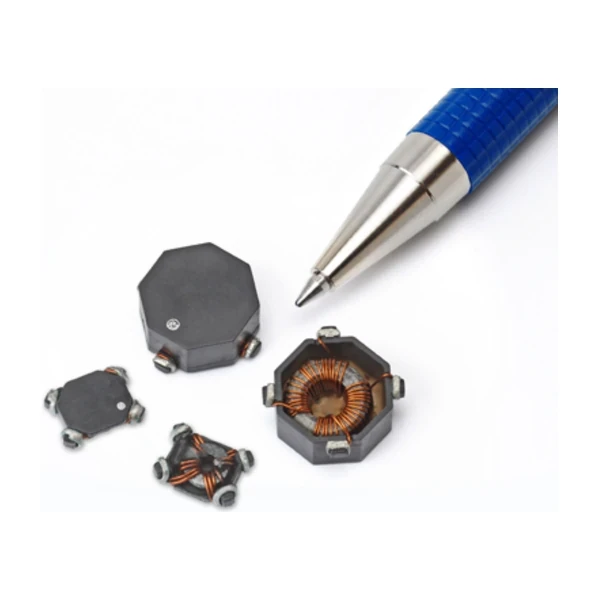
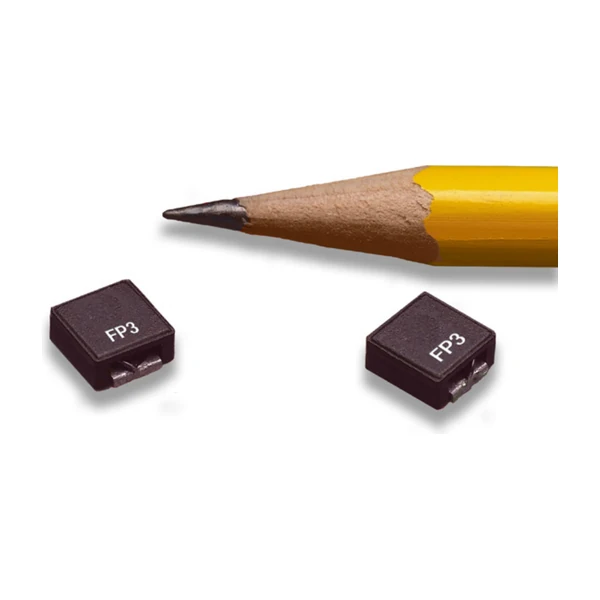
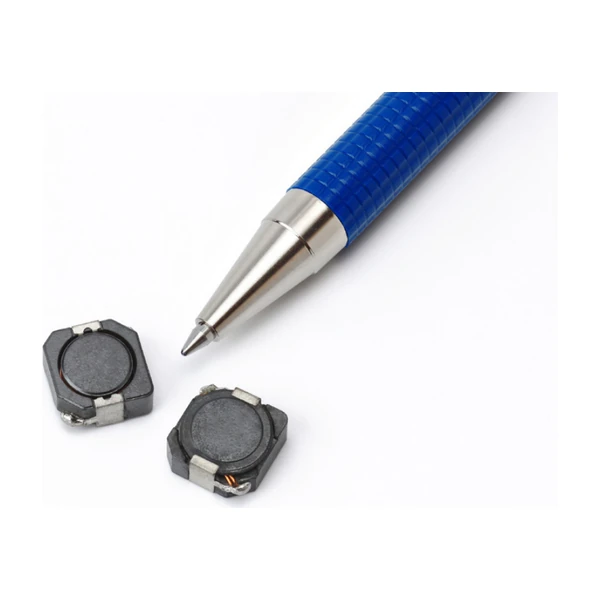
The power inductor family covers sub-microhenry to tens of microhenry at currents from a few amps to tens of amps, in shielded surface-mount bodies. The data sheet rows carry both typical and maximum DCR so the loss budget can be built either way.
- DCR is quoted at +20 °C. Copper resistance rises about 0.4 % per °C, so the hot loss is higher than the cold figure.
- Typical applications: compatible with picor® cool-power® zvs buck and buck-boost regulator families.
- Design note: ripple from OCL, thermal from Irms, transient from Isat. Three different numbers, three different checks.
Frequently Asked Questions
Is the part shielded?
The molded body encloses the winding, so the external field is small enough to place parts side by side on a multiphase rail.
Is the part shielded?
The molded body encloses the winding, so the external field is small enough to place parts side by side on a multiphase rail.
What is the difference between Irms and Isat?
Irms is the DC current that produces the rated temperature rise. Isat is the peak current at which inductance has fallen by a defined percentage. A converter can run above Irms briefly but must stay inside Isat.
Shenzhen Gaorunxin Technology Co., Ltd
Online message
Shenzhen Gaorunxin Technology Co., Ltd