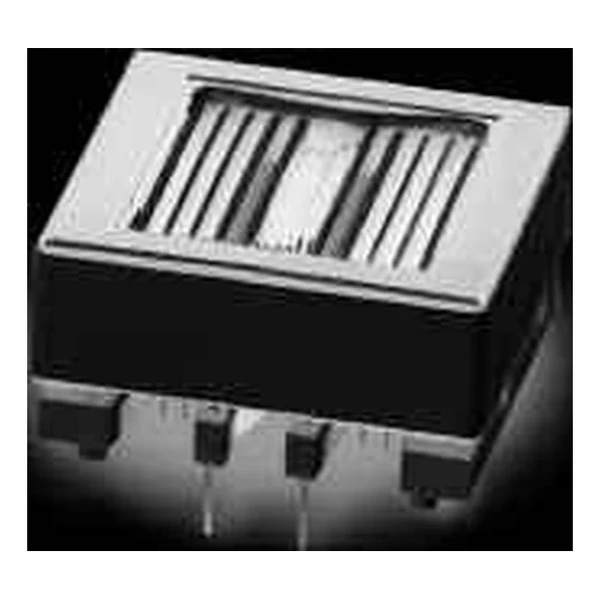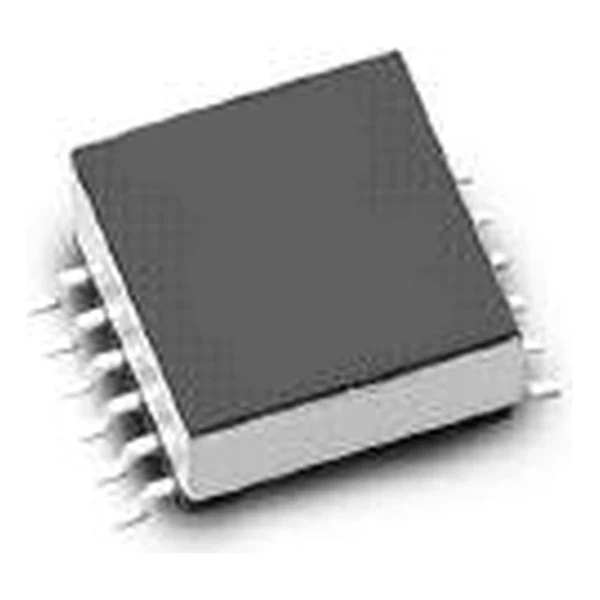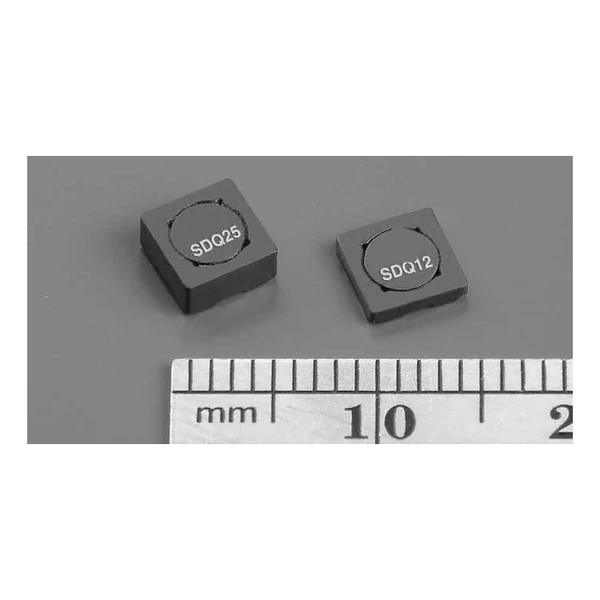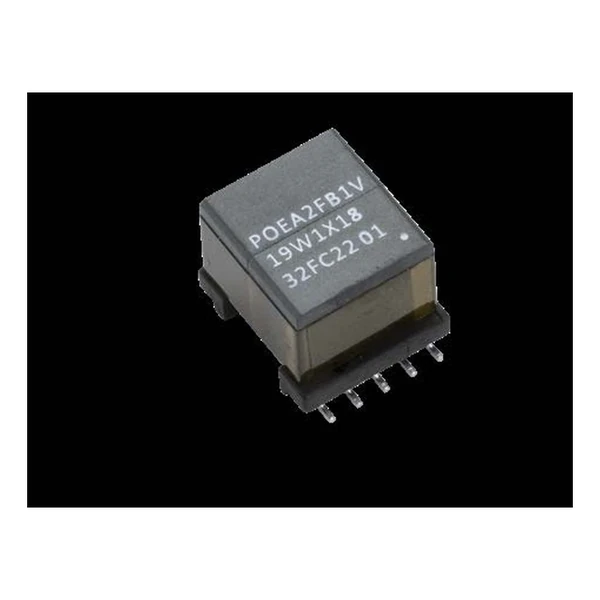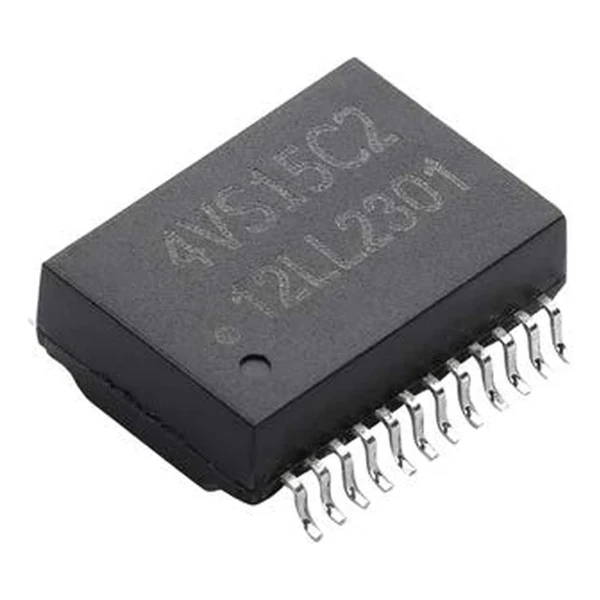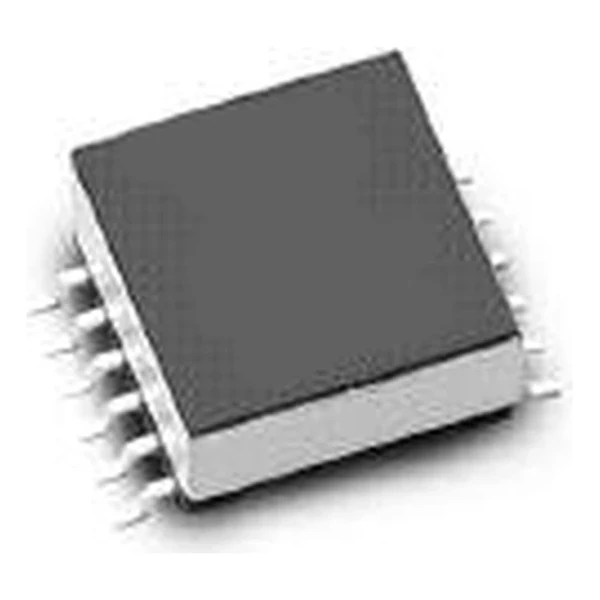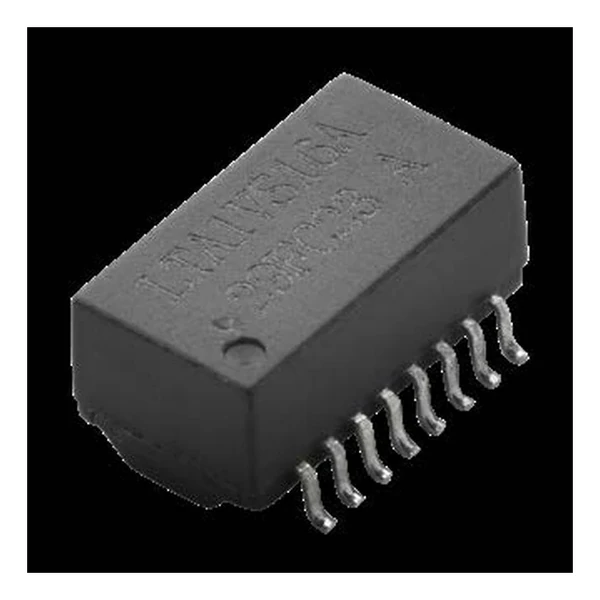
Eaton LTA1VS16A-351-R Single-Port LAN Transformer
- Product Details
- Download
Eaton LTA1VS16A-351-R Single-Port LAN Transformer
Specification Table
| Parameter | Value |
|---|---|
| Orderable part number | LTA1VS16A-351-R |
| Ports | Single |
| Pins | 16 |
| Inductance | 350 uH |
| Leakage inductance | 0.5 uH |
| DCR maximum | 1.2 Ohm |
| Inter-winding capacitance | 35 pF |
| Insertion loss | -1.1 dB @ 1-100 MHz |
| Package | See dimension drawing in the data sheet |
| Mounting | Surface mount |
| Operating temperature | -40 C to +125 C |
| Qualification | AEC-Q200 |
| RoHS | Compliant, -R suffix |
| Data sheet | Eaton Technical Data ELX1396 |
Outline drawing, winding arrangement and recommended pad layout are on
page 2 of Eaton Technical Data ELX1396; the package line above gives the body size where
the data sheet states it.
What the Numbers Mean
The magnetics in an Ethernet port do three jobs: isolate the PHY from the cable, block common mode noise, and match the line. This part is the transformer half, and the ports, pins and channel count are what decide whether it fits the connector pinout.
Insertion loss of -1.1 dB @ 1-100 MHz is the figure that matters at the band edge; the inductance value only guarantees the low-frequency corner.
Within the LTA1VS16A family this is item 1 of 1 in the Eaton catalogue.
What This Family Is For
The LAN range covers 100BASE-T through 10GBASE-T, single to quad port, with and without PoE, in open-header SMT packages.
- The magnetics set the return loss and crosstalk floor of the link. A marginal part cannot be fixed in layout.
- Typical applications: t-box; 10base-t/100base-tx interface; infotainment; battery management systems.
- Design note: insertion loss and return loss are band specifications. Compare curves at the band edges, not the typical number.
Frequently Asked Questions
Which port count do I need?
One transformer per port. The single, dual and quad variants are the same magnetics repeated in one package, which is why the pin count scales with the port count.
Why is inductance quoted at a DC bias?
The PHY or the PoE feed pushes a DC current through the winding, and the core saturates a little. The bias condition in the table is the one the number applies to; without it the figure is meaningless.
Why is inductance quoted at a DC bias?
The PHY or the PoE feed pushes a DC current through the winding, and the core saturates a little. The bias condition in the table is the one the number applies to; without it the figure is meaningless.
Shenzhen Gaorunxin Technology Co., Ltd
Online message
Shenzhen Gaorunxin Technology Co., Ltd