Welcome to our company!



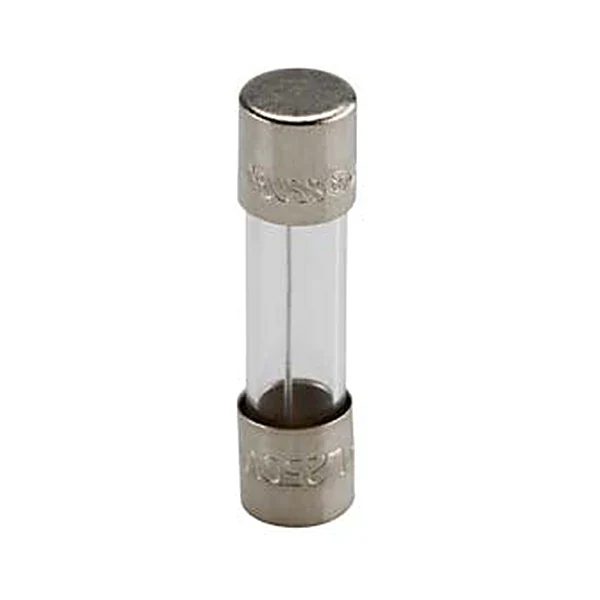
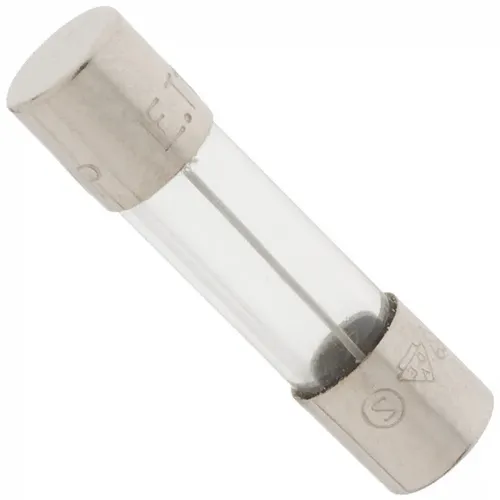
Eaton S506-160-R 160 mA 250 Vac Time-Delay Glass Tube Fuse
Share
pEaton S506-160-R — 160 mA, 250 V, time-delay glass cartridge fuse, 35 A at 250 Vac, 50 Hz interrupting./p
- Product Details
- Download
Eaton S506-160-R 160 mA 250 Vac Time-Delay Glass Tube Fuse
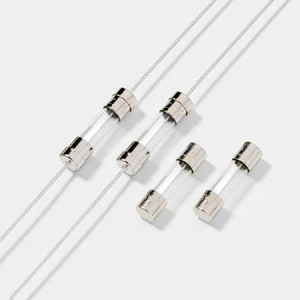
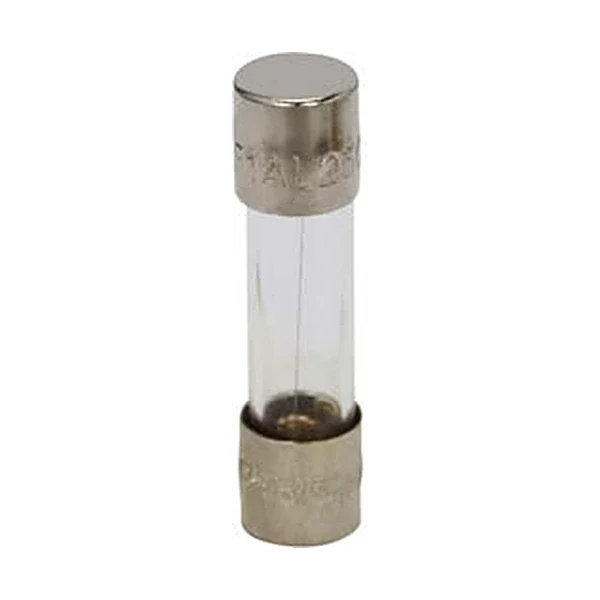
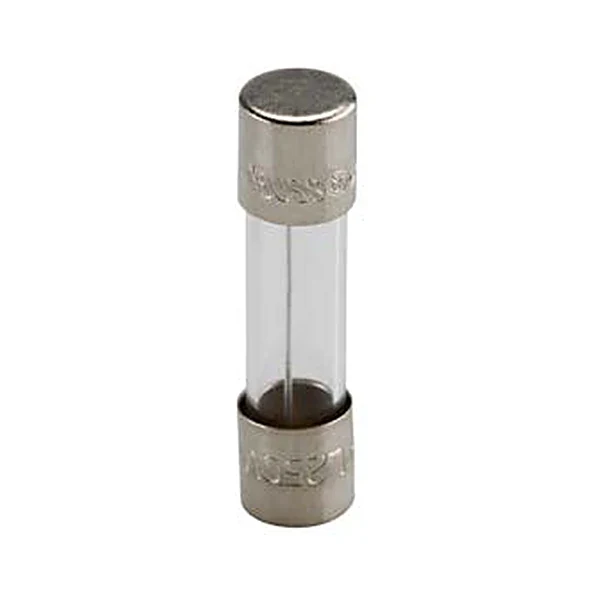
Eaton S506-160-R 160 mA 250 Vac Time-Delay Glass Tube Fuse belongs to the Eaton range. It carries 160 mA, uses a time-delay element, in a glass body.
Technical Data
| Parameter | Rating |
|---|---|
| Parameter | Value |
| Orderable part number | S506-160-R (BK- prefix = 100 pcs carton, BK1- = 1,000 pcs polybag) |
| Current | 160 mA |
| Interrupting rating | 35 A at 250 Vac, 50 Hz |
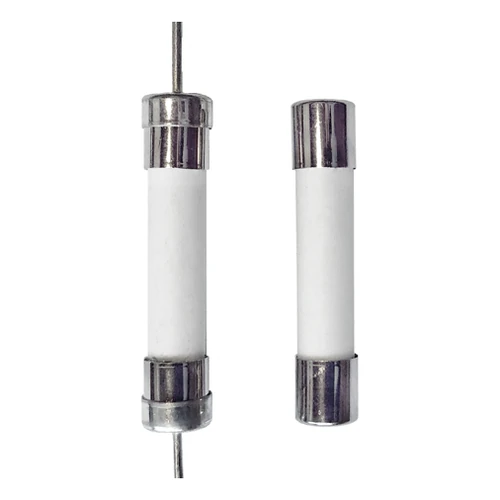
| Body | 5 x 20 mm glass tube, nickel-plated brass end caps |
| Typical voltage drop | 320 mV at rated current |
| Melting I2t (typical) | 0.093 A2s |
| Time-delay class | T (time-lag) |
| Voltage | 250 Vac |
| Power dissipation | 0.05 W |
| Design standard | IEC 60127-1 and 60127-2 |
| Typical cold resistance | 1.27 Ohm |
| Agency | cURus (E19180, JDYX2); SEMKO; VDE; BSI; IMQ; KC; CCC |
Design Notes
- Interrupting capability is 35 A at 250 Vac, 50 Hz — confirm the circuit's prospective fault current stays below this.
- Time-delay element rides through motor starting and capacitive inrush without nuisance opening.
- Startup surges of several times rated current are tolerated for a short window.
- Glass body lets you inspect the element after a fault.
- Best kept for lower fault-current circuits where visual diagnosis matters.
- Do not upsize beyond 160 mA to stop nuisance trips — fix the cause instead.
Where It Is Used
Typical places this fuse turns up:
- UPS
- EV
- surge
Common Questions
Is the S506-160-R fast-acting or time-delay?
It is time-delay. It tolerates short inrush surges.
Can the S506-160-R be used on a higher fault-current circuit?
No — its interrupting rating is 35 A at 250 Vac, 50 Hz. Choose a part whose breaking capacity exceeds the prospective fault current.
Shenzhen Gaorunxin Technology Co., Ltd
Online message
Shenzhen Gaorunxin Technology Co., Ltd