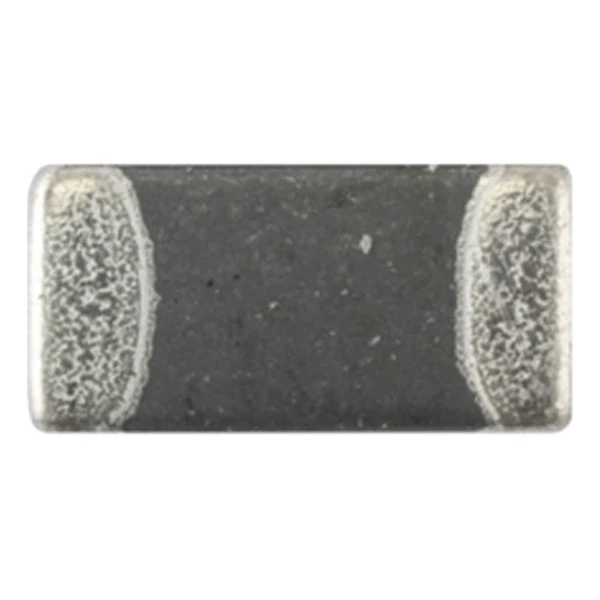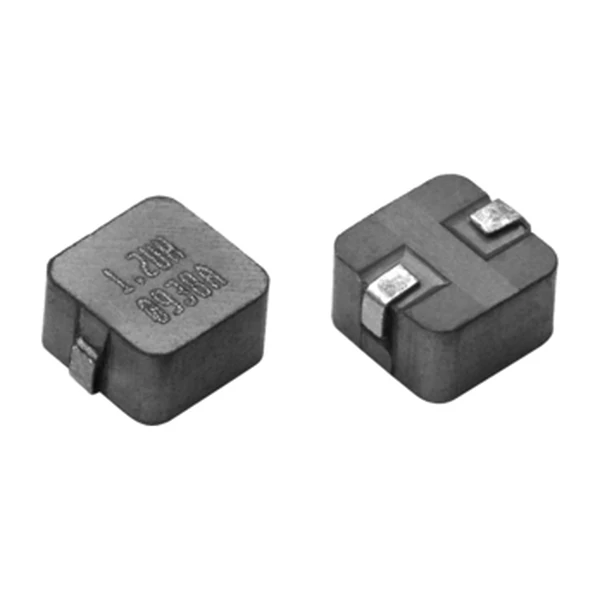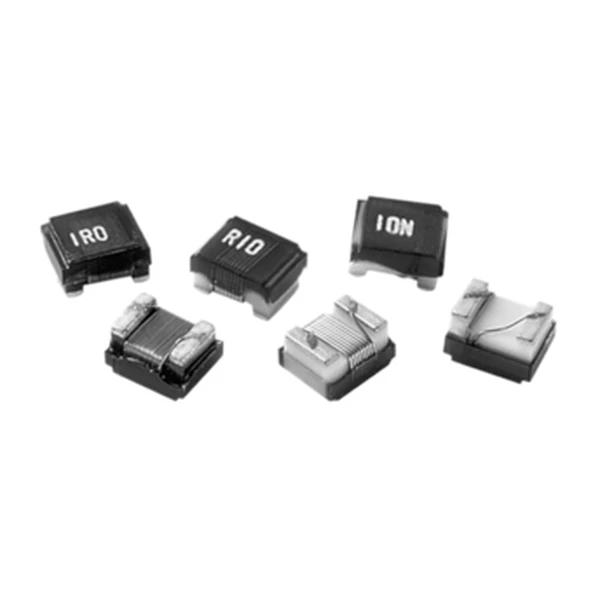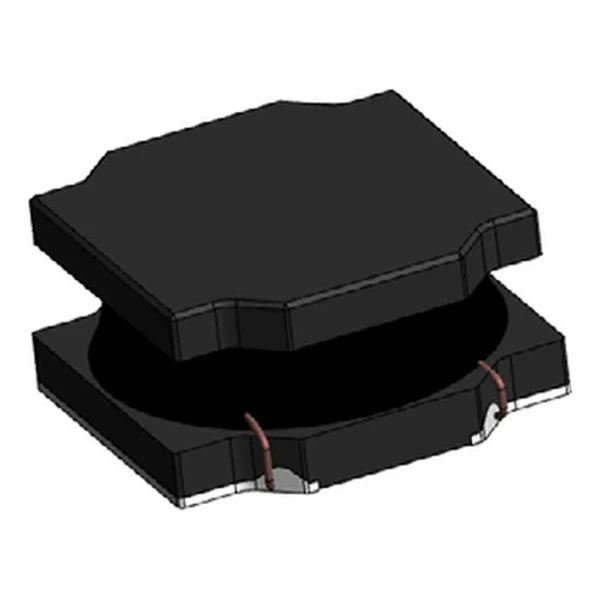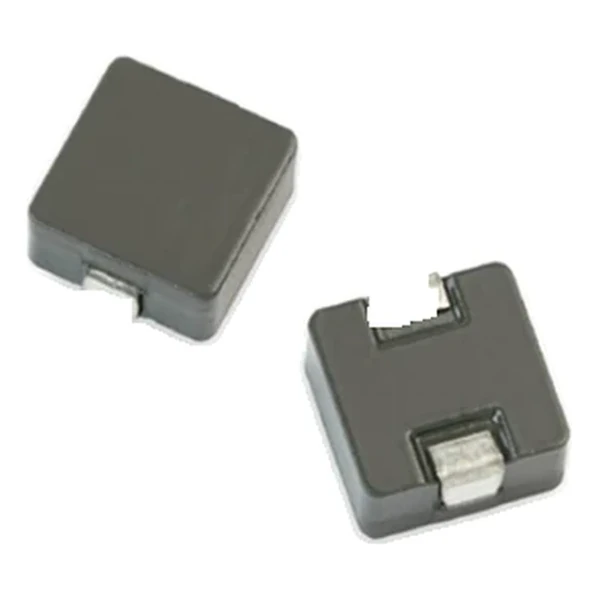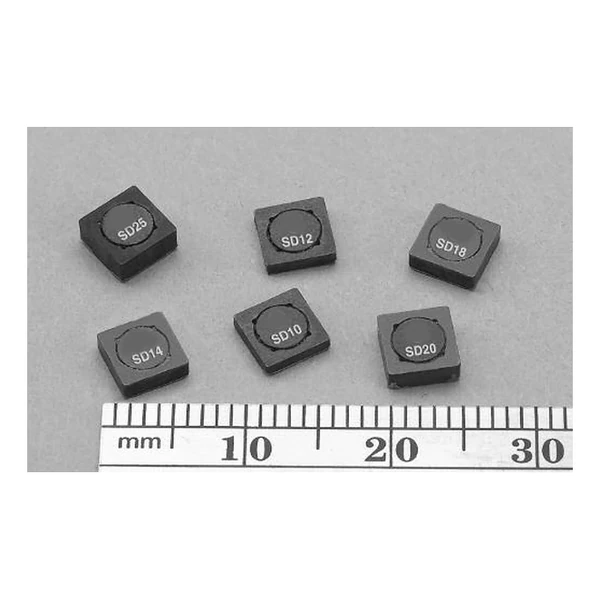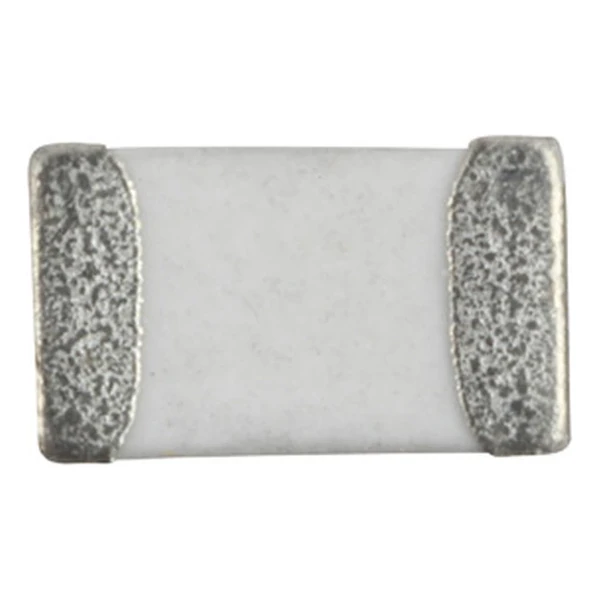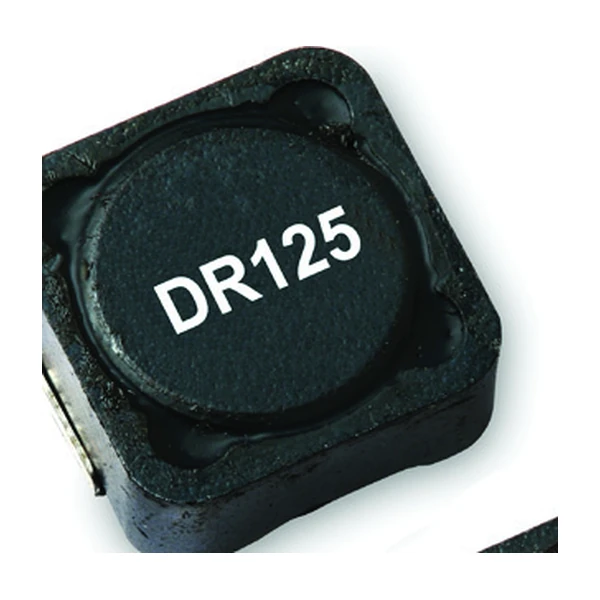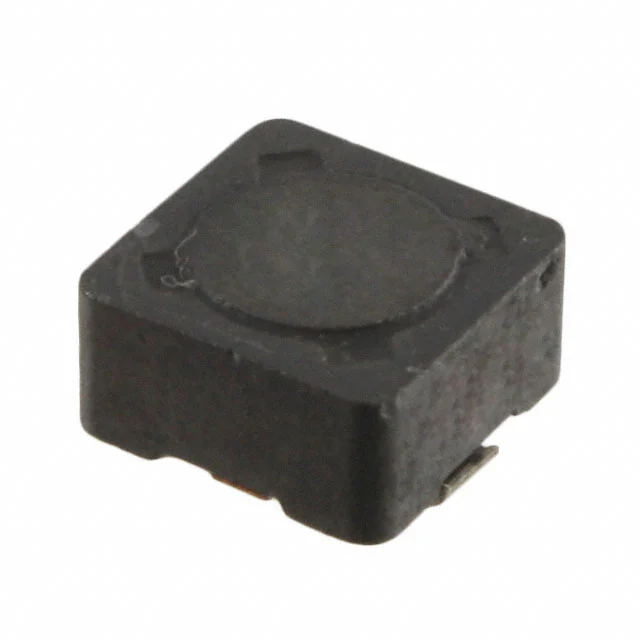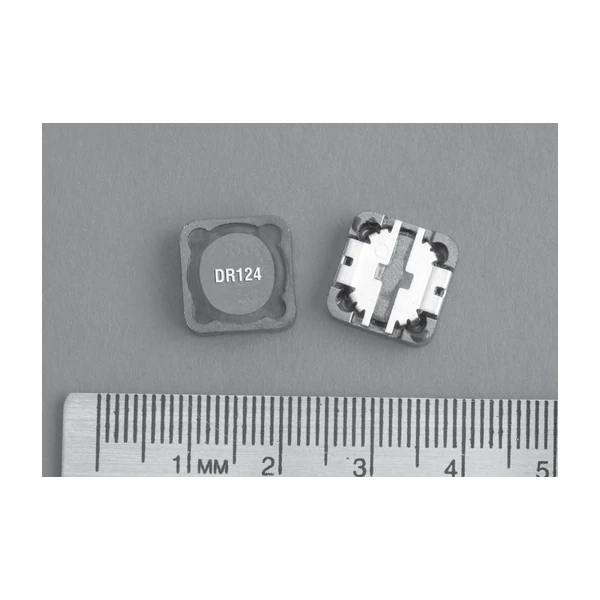


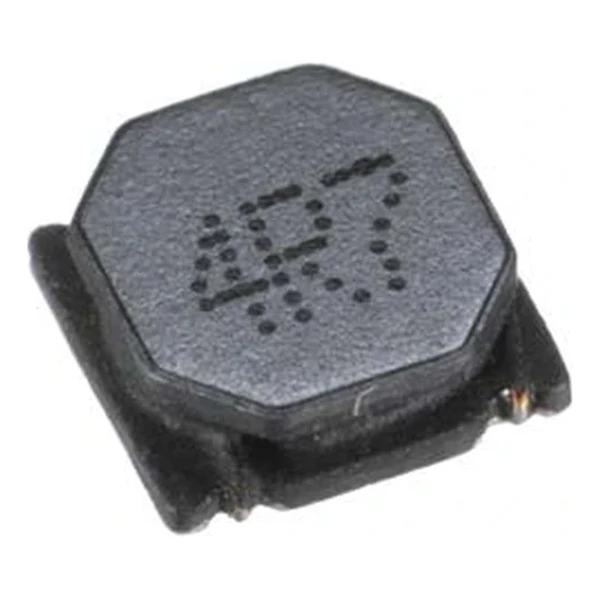
Eaton SDCHA1V5020-4R7-R 4.7 uH AEC-Q200 Inductor, 2.4 A
- Product Details
- Download
Eaton SDCHA1V5020-4R7-R 4.7 uH AEC-Q200 Inductor, 2.4 A
Specification Table
| Parameter | Value |
|---|---|
| Orderable part number | SDCHA1V5020-4R7-R |
| Inductance | 4.7 uH ±20% |
| FLL minimum (at Isat) | 2.63 uH |
| DCR typical @ +20 °C | 60 mOhm |
| Irms (DC, 40 °C rise) | 2.4 A |
| Isat | 2.7 A |
| SRF typical | 55 MHz |
| Mounting | Surface mount |
| Operating temperature | -55 °C to +125 °C |
| Qualification | AEC-Q200 |
| RoHS | Compliant, -R suffix |
| Data sheet | Eaton Technical Data ELX1095 |
Mechanical Dimensions & Pad Layout

Drawing reproduced from Eaton Technical Data ELX1095: outline with
rated mm dimensions, pad layout and marking.
What the Numbers Mean
Automotive DC-DC stages ask for qualified construction and predictable saturation at the hot corner. This family provides both, with a semi-shielded body that keeps the profile low and the DCR moderate.
At 2.4 A the winding dissipates about 0.346 W in copper using the typical DCR of 60 mOhm. That is the DC floor of the loss budget – ripple and core loss come on top.
The core stores about 17.1 uJ at the saturation point, which is the energy available to bridge a load step.
Self-resonance is 55 MHz typical. Keep the operating band, and the harmonics that carry energy, below it.
Within the SDCHA1V5020 family this is value 5 of 11, in a range from 1 uH to 22 uH.
Positioning in the Range
The SDCA family is the automotive semi-shielded range: the same construction as the commercial parts, qualified to AEC-Q200 and characterised across the temperature range.
- Qualification covers the part, not the module. The thermal design of the board is still the engineer’s job.
- Typical applications: led lighting; advanced driver assistance systems (adas); adaptive cruise control (acc); collision avoidance; infotainment and cluster electronics.
- Design note: use the maximum DCR at the hot corner for the loss budget, and Isat at the same temperature for the transient.
Frequently Asked Questions
What is the FLL column for?
Full-load inductance at saturation current. Use it for the ripple calculation at maximum load rather than the zero-bias value.
What is the FLL column for?
Full-load inductance at saturation current. Use it for the ripple calculation at maximum load rather than the zero-bias value.
What does AEC-Q200 cover?
The passive-component qualification regime: thermal shock, cycling, vibration, moisture and solderability. It qualifies the construction, not the board design.
Shenzhen Gaorunxin Technology Co., Ltd
Online message
Shenzhen Gaorunxin Technology Co., Ltd