Eaton SMBJE78CA 78 V 600 W TVS Diode
- Product Details
- Download
Eaton SMBJE78CA 78 V 600 W TVS Diode
Specification Table
| Parameter | Value |
|---|---|
| Orderable part number | SMBJE78CA |
| Standoff voltage (VR) | 78 V |
| Leakage current at VR | 1 uA |
| Breakdown voltage at IT | 86.7 V to 95.8 V |
| Test current (IT) | 1 mA |
| Clamping voltage at IPP | 126 V |
| Peak pulse current | 4.8 A |
| Polarity | Bidirectional |
| Peak pulse power, 10/1000 us | 600 W |
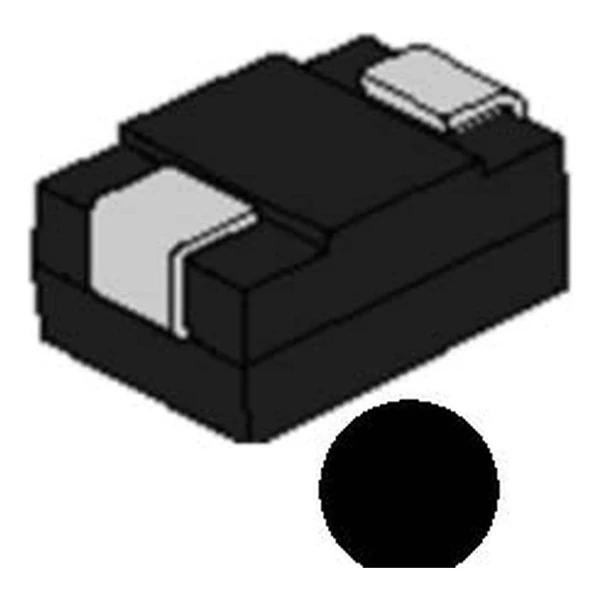
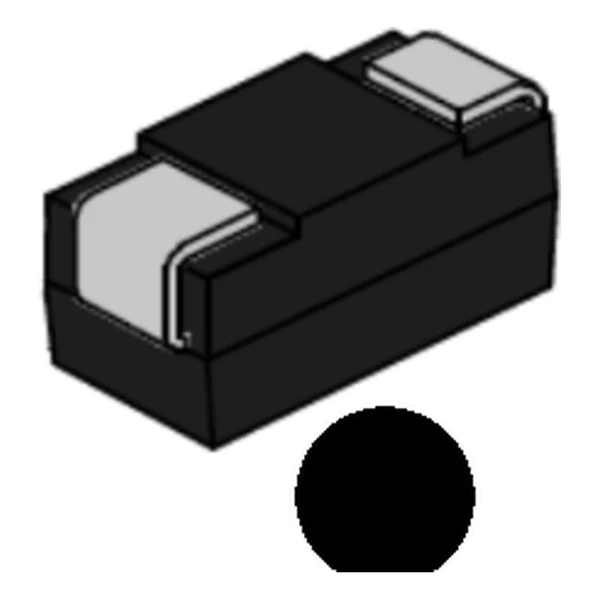
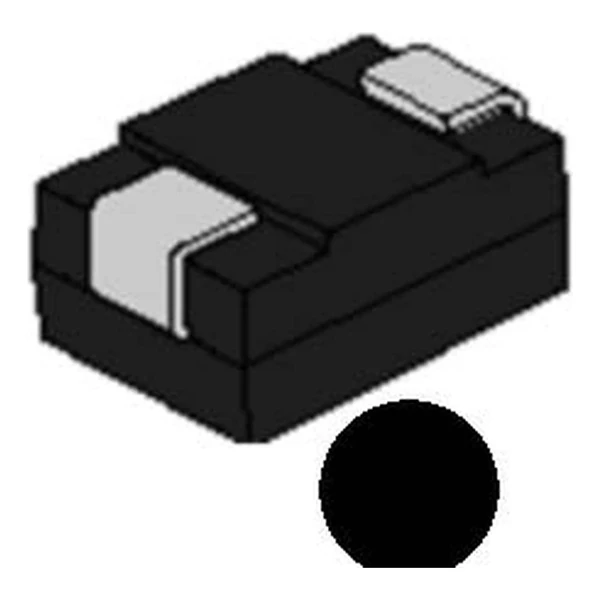
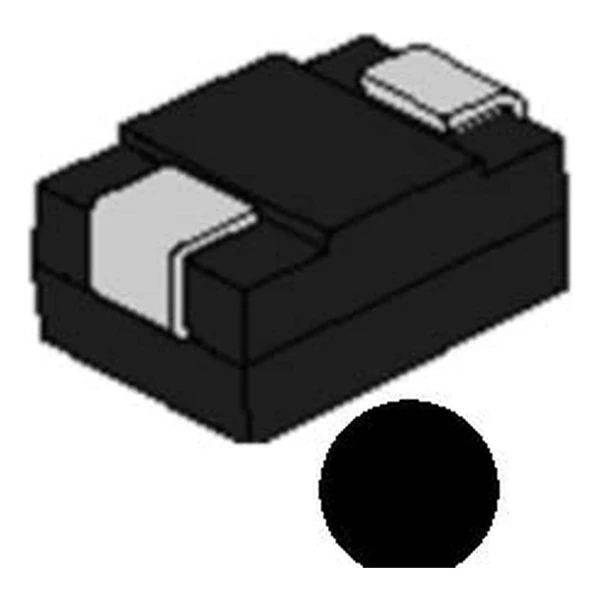
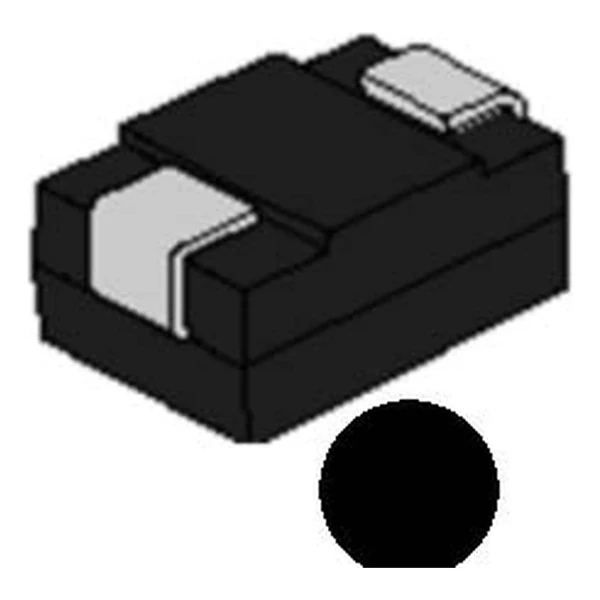
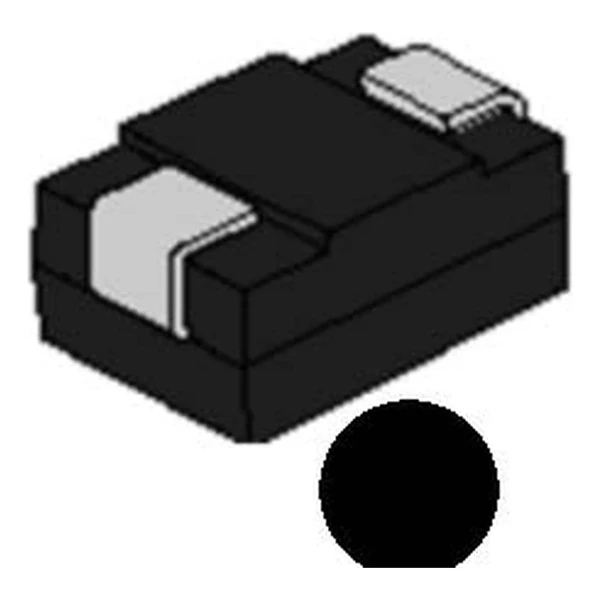
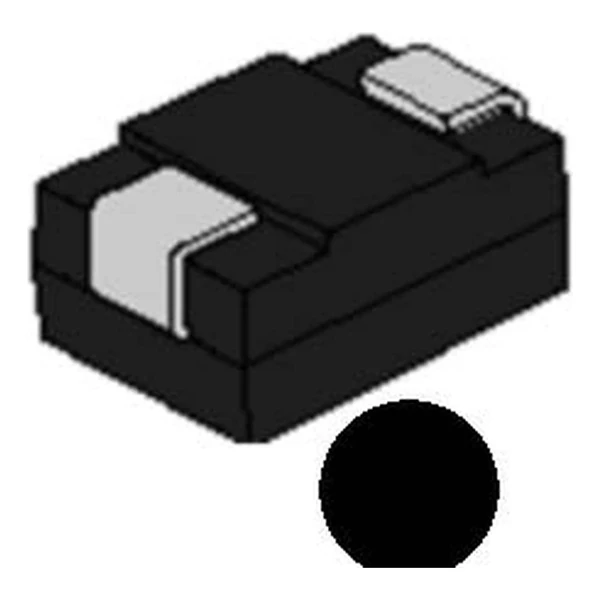
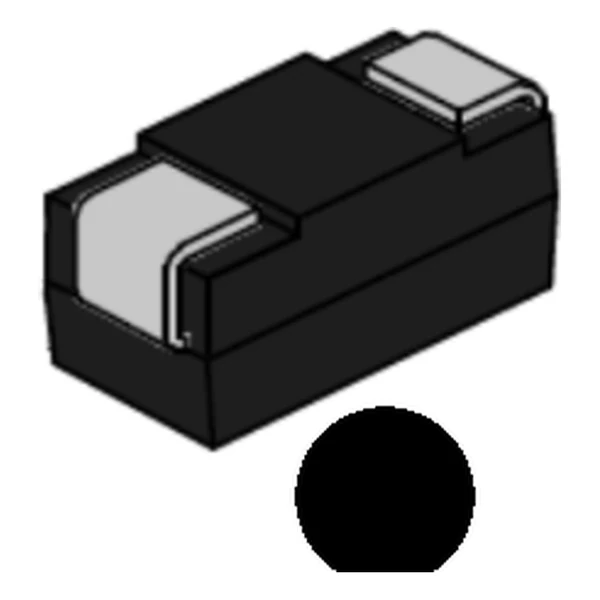
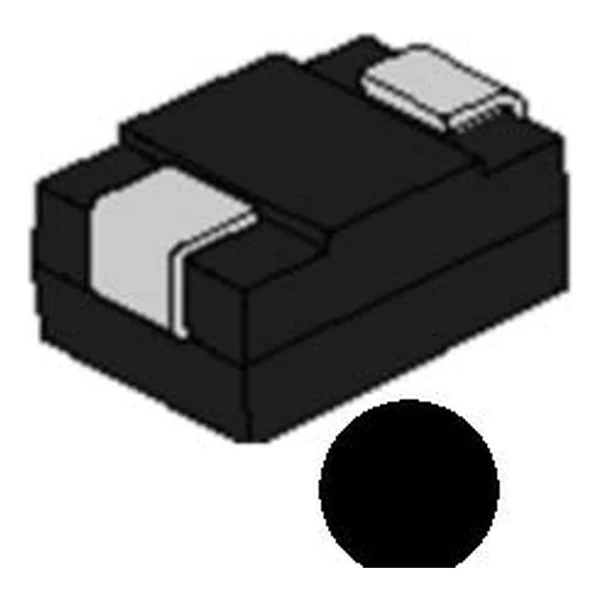
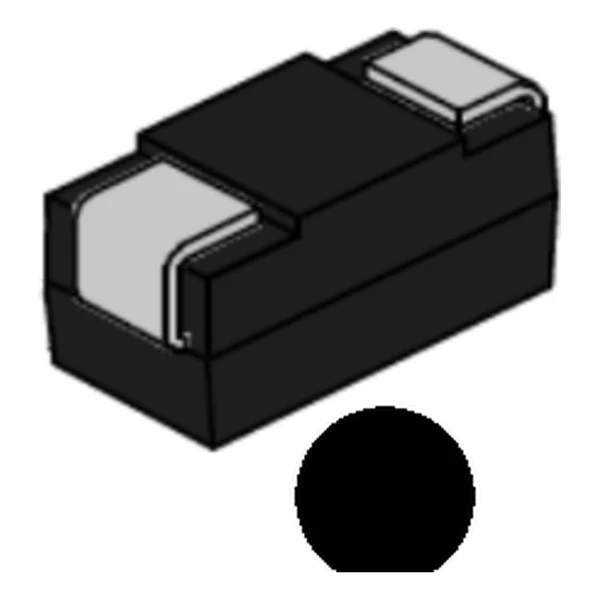
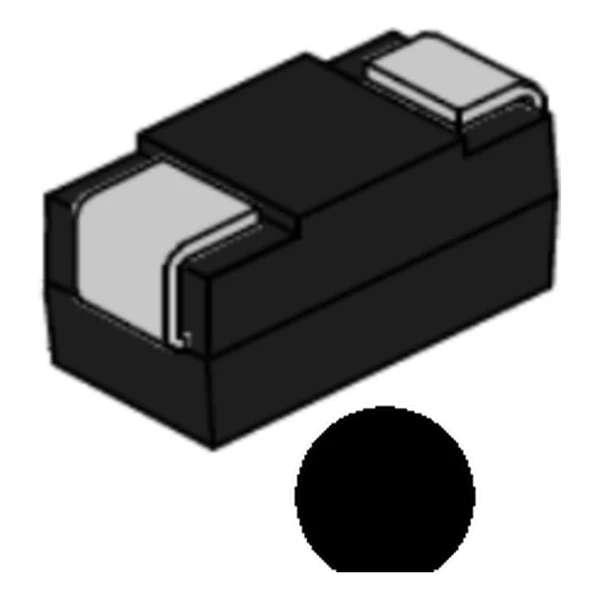
| Package | SMB (DO-214AA) |
| Mounting | Surface mount |
| Operating temperature | -55 °C to +150 °C |
| Qualification | AEC-Q200 |
| RoHS | Compliant, halogen free |
| Data sheet | Eaton Technical Data 11214 |
Outline drawing, pad or lead geometry and the pulse derating curves are
on the pages of Eaton Technical Data 11214; the package line above is the
body the part is built in.
What the Numbers Mean
These parts are avalanching junctions, so they clamp harder than a varistor and recover without the voltage drift a metal oxide part shows after a surge. The trade is capacitance and a sharper failure mode.
The breakdown window spans 10.5 percent, from 86.7 V to 95.8 V. Design against the minimum, because a part at the bottom of the window starts conducting first.
At 78 V standing the leakage is at most 1 uA, so the part draws 0.078 mW on the rail. Small, but it is the number that matters on a battery input.
Within the SMBJ family this is item 110 of 167 in the Eaton catalogue.
Positioning in the Range
Place it on the protected side of any series impedance, not behind it. A TVS behind a common mode choke protects the choke, which is usually the opposite of what the design intends.
- The pulse current is quoted for one waveform. A different waveform changes the allowable current, and the derating curve, not the single number, is the guide.
- The clamp column is measured at the rated pulse current. At a lower current the residual voltage is lower, which is why a part chosen for a small surge clamps better than its headline number suggests.
Frequently Asked Questions
Does the peak pulse power rating apply to any surge?
No. It is quoted for a 10/1000 microsecond waveform. A shorter pulse allows more current and a longer one less; the derating curve converts between them.
How much capacitance does it add?
Enough to matter on a fast line. A 1500 W part can be several thousand picofarads, which is fine on a supply rail and not fine on a USB or Ethernet pair.
Why is the clamp voltage higher than the breakdown voltage?
The breakdown is measured at 1 mA; the clamp is measured at the full pulse current, which can be hundreds of amps. The dynamic resistance of the junction adds the difference, and that is why the two columns are never the same number.
Shenzhen Gaorunxin Technology Co., Ltd
Online message
Shenzhen Gaorunxin Technology Co., Ltd