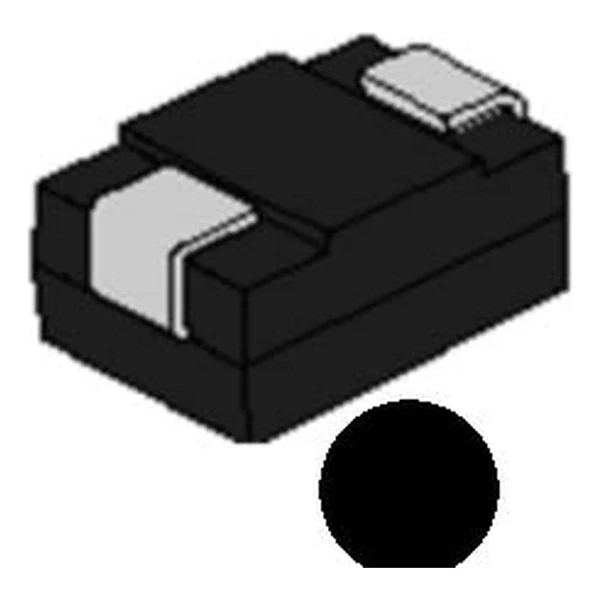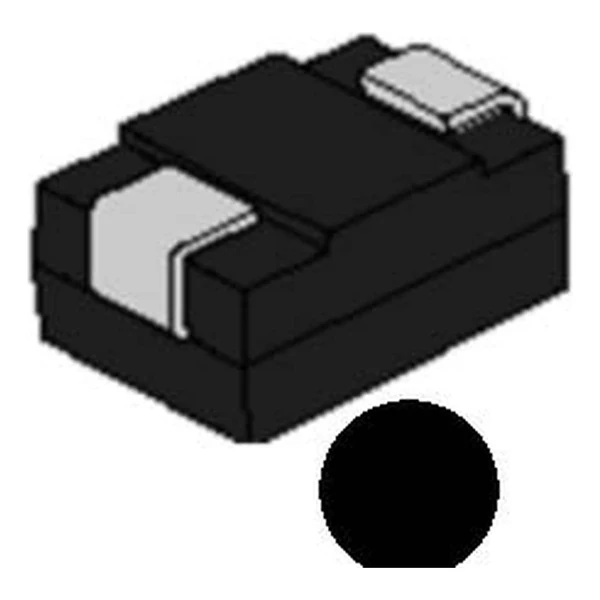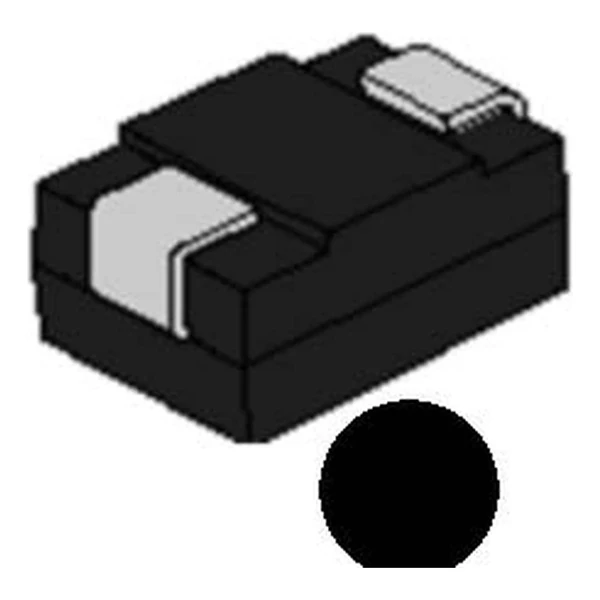
Eaton SMCJ210CA 210 V 1500 W TVS Diode
- Product Details
- Download
Eaton SMCJ210CA 210 V 1500 W TVS Diode
Ratings at a Glance
| Parameter | Value |
|---|---|
| Orderable part number | SMCJ210CA |
| Standoff voltage (VR) | 210 V |
| Leakage current at VR | 1 uA |
| Breakdown voltage at IT | 237 V to 263 V |
| Test current (IT) | 1 mA |
| Clamping voltage at IPP | 340 V |
| Peak pulse current | 4.4 A |
| Polarity | Bidirectional |
| Peak pulse power, 10/1000 us | 1500 W |
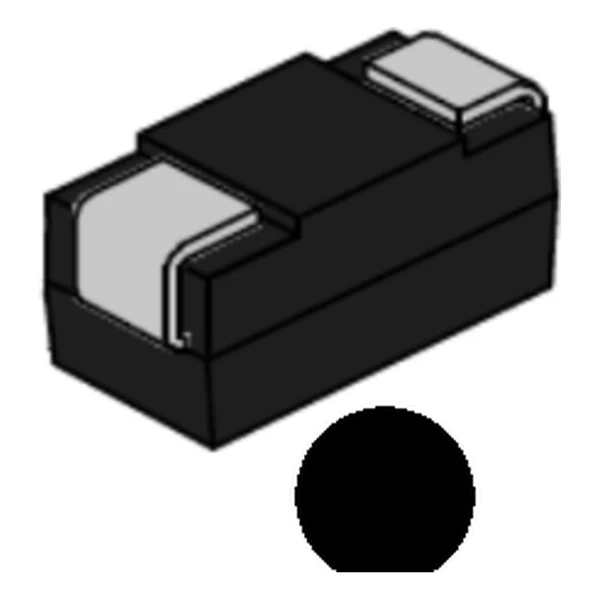
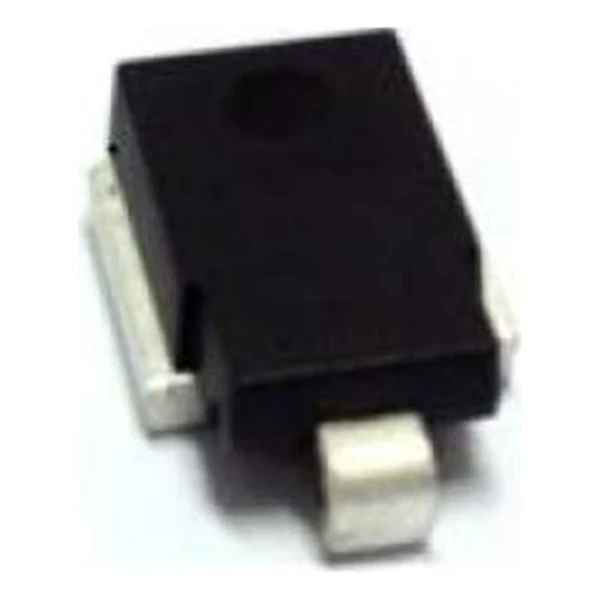
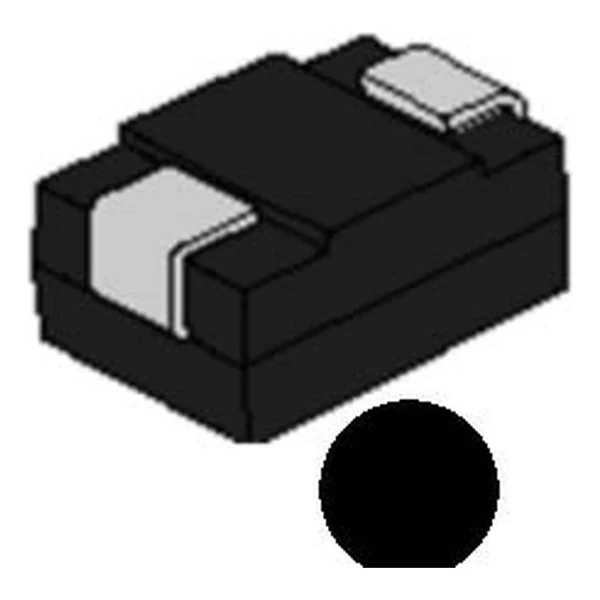
| Package | SMC (DO-214AB) |
| Mounting | Surface mount |
| Operating temperature | -55 °C to +150 °C |
| Qualification | Commercial grade |
| RoHS | Compliant, halogen free |
| Data sheet | Eaton Technical Data ELX1563 |
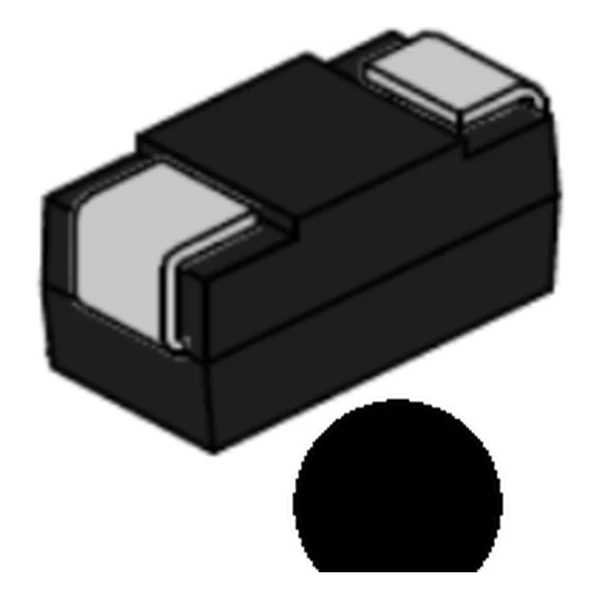
Outline drawing, pad or lead geometry and the pulse derating curves are
on the pages of Eaton Technical Data ELX1563; the package line above is the
body the part is built in.
How to Read These Ratings
The peak pulse power rating is a 10/1000 microsecond figure: a 400 W part takes 400 W for one millisecond, not continuously. Shorter pulses allow more current, longer ones less, which is what the derating curves in the data sheet show.
The breakdown window spans 10.97 percent, from 237 V to 263 V. Design against the minimum, because a part at the bottom of the window starts conducting first.
At 210 V standing the leakage is at most 1 uA, so the part draws 0.21 mW on the rail. Small, but it is the number that matters on a battery input.
Within the SMCJ family this is item 135 of 155 in the Eaton catalogue.
Where This Series Fits
The part goes across the line after the fuse, with the return path as short as the layout allows. Every centimetre of trace between the connector and the diode adds inductance, and the clamp the circuit sees is the diode clamp plus L di/dt.
- The pulse current is quoted for one waveform. A different waveform changes the allowable current, and the derating curve, not the single number, is the guide.
- The breakdown window is deliberately wide so that production spread does not leave parts conducting at the standoff voltage. Design to the minimum breakdown, not the typical.
Frequently Asked Questions
Why is the clamp voltage higher than the breakdown voltage?
The breakdown is measured at 1 mA; the clamp is measured at the full pulse current, which can be hundreds of amps. The dynamic resistance of the junction adds the difference, and that is why the two columns are never the same number.
What happens if the surge exceeds the rating?
The junction overheats and fails short, which then puts the full fault current through the board. That is why a fuse ahead of the suppressor is part of the protection, not an optional extra.
Unidirectional or bidirectional?
Unidirectional on a DC rail, where the forward direction gives a low clamp for one polarity. Bidirectional on AC, on differential pairs and wherever the surge can arrive with either polarity.
Shenzhen Gaorunxin Technology Co., Ltd
Online message
Shenzhen Gaorunxin Technology Co., Ltd