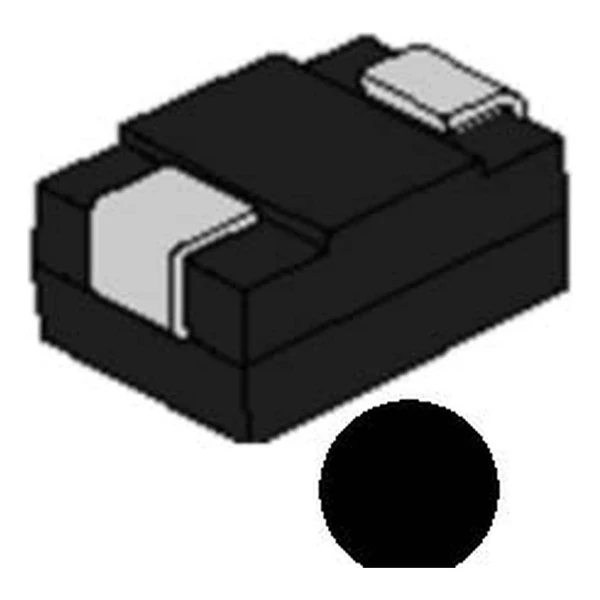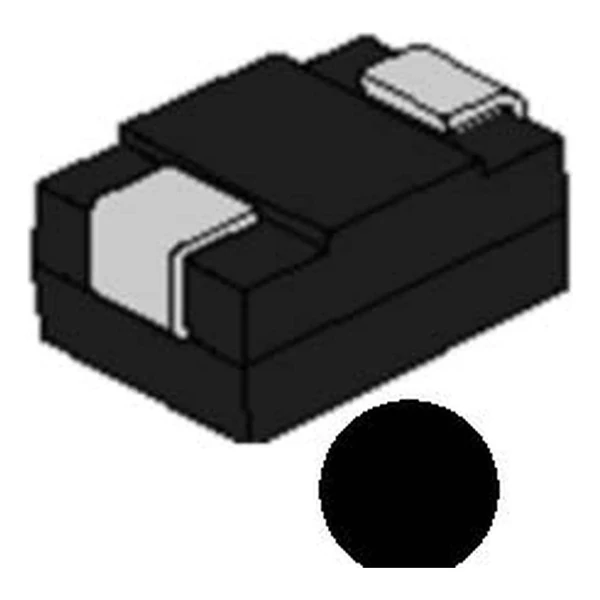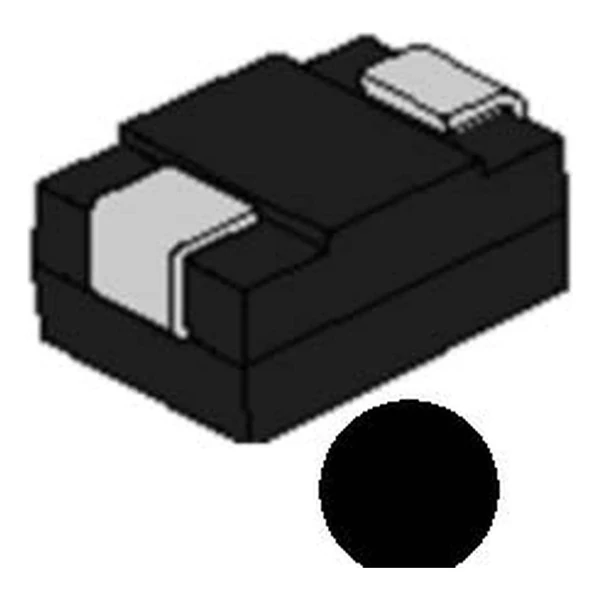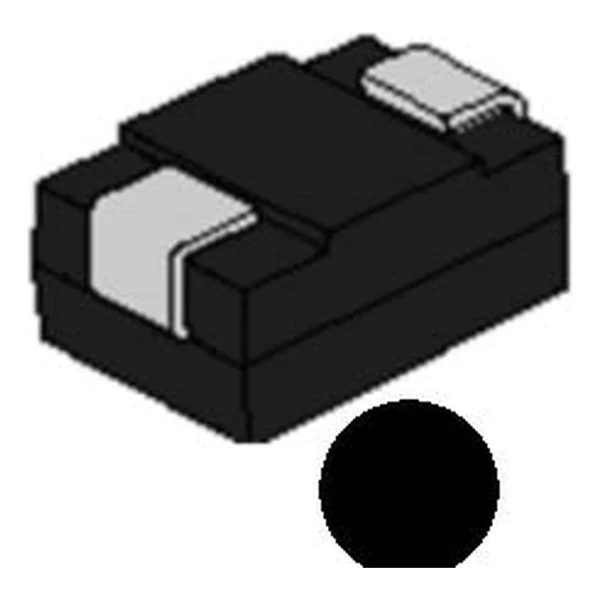
Eaton STN061050B101 10 pF ESD Protection Diode
- Product Details
- Download
Eaton STN061050B101 10 pF ESD Protection Diode
Key Specifications
| Parameter | Value |
|---|---|
| Orderable part number | STN061050B101 |
| Reverse working voltage | 5 V |
| Breakdown voltage (min / typ / max) | 5.5 V |
| Leakage current at VR | 100 uA |
| Peak pulse current | 5 A |
| Clamping voltage at 1 A | 11 V |
| Junction capacitance, typ | 10 pF |
| Junction capacitance, max | 15 pF |
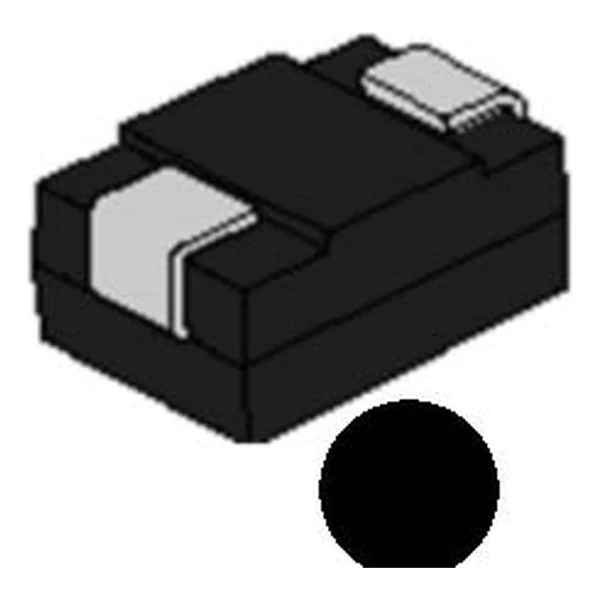
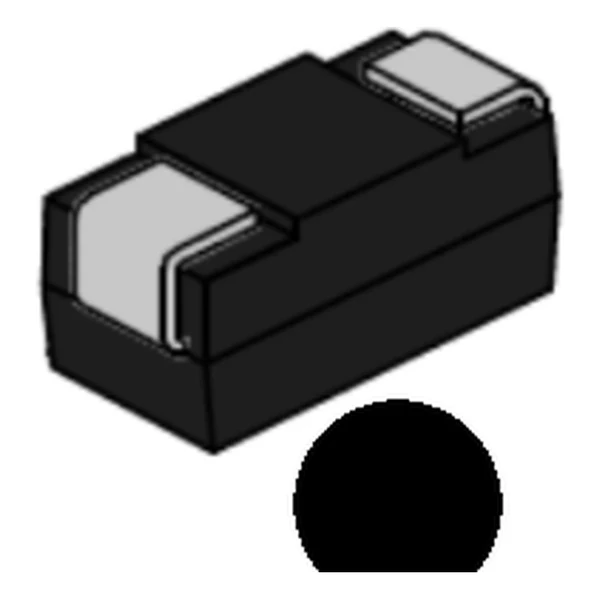
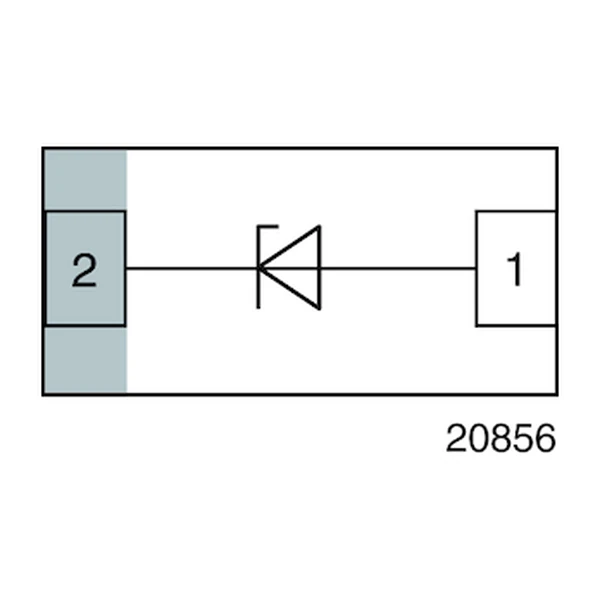
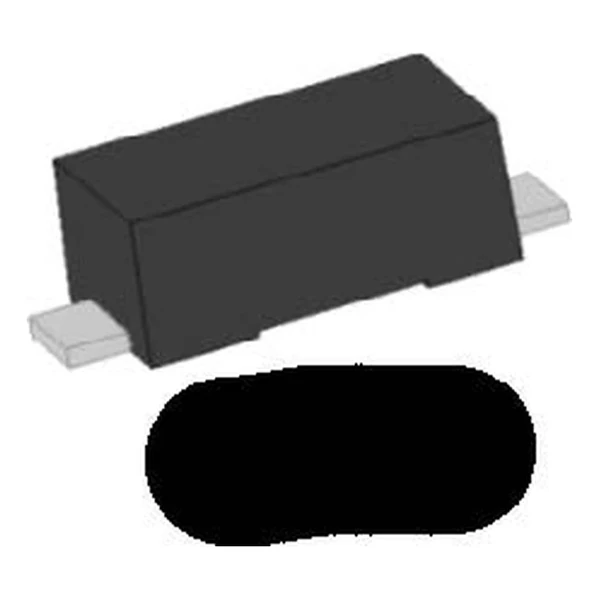
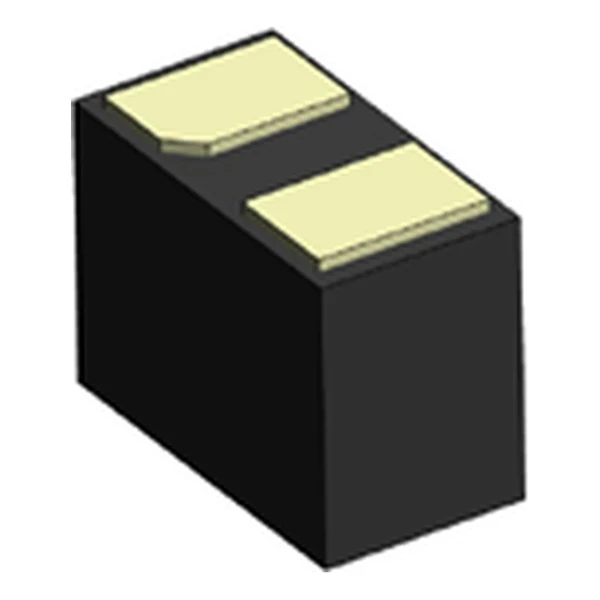
| Package | 0201 / DFN |
| Mounting | Surface mount |
| Operating temperature | -55 °C to +125 °C |
| Qualification | Commercial grade |
| RoHS | Compliant, halogen free |
| Data sheet | Eaton Technical Data 11130 |
Outline drawing, pad or lead geometry and the pulse derating curves are
on the pages of Eaton Technical Data 11130; the package line above is the
body the part is built in.
The Figures Explained
The capacitance column is the one that limits where these parts can go. A tenth of a picofarad is invisible on a 5 Gbit pair; a few picofarads is not, which is why the same family is offered in several capacitance grades.
The 10 pF typical capacitance sets the highest data rate the part can sit on without distorting the eye.
Within the STN06 family this is item 4 of 6 in the Eaton catalogue.
What This Family Is For
Route the protected line through the pad and out the other side where the package allows it. A stub that tees off the line leaves a reflection that shows up as a glitch on a high speed pair.
- The ESD rating assumes the part is the first thing the discharge meets. If the connector shell or a mounting screw provides an easier path, the suppressor never conducts and the protected chip takes the hit.
- The pulse withstand count is a qualification figure at a defined level. Repeated discharges at a higher level reduce it, so a port that sees frequent events needs margin.
Frequently Asked Questions
Does it affect signal integrity?
Through its capacitance. At 0.1 pF the effect is negligible at several gigahertz; at 1 pF it is visible on a fast differential pair, so the capacitance grade is part of the selection.
Is the suppressor fast enough for a cable discharge?
The response is in the sub-nanosecond range because the structure is a junction, not a spark gap. What limits the protection is the layout, not the die.
Does the package matter?
It sets the capacitance and the thermal mass. The same die in a 0201 and a 0603 gives different surge capability, so the package is part of the electrical choice, not just the footprint.
Shenzhen Gaorunxin Technology Co., Ltd
Online message
Shenzhen Gaorunxin Technology Co., Ltd