Eaton STN061050B300 ESD Suppressor 5 V
- Product Details
- Download
Eaton STN061050B300 ESD Suppressor 5 V
Electrical Specifications
| Parameter | Value |
|---|---|
| Orderable part number | STN061050B300 |
| Reverse working voltage | 5 V |
| Breakdown voltage (min / typ / max) | 5.3 V |
| Leakage current at VR | 0.1 uA |
| Clamping voltage at 16 A | 15 V |
| Junction capacitance, typ | 3 pF |
| Junction capacitance, max | 4 pF |
| Holding voltage | 5.3 V |
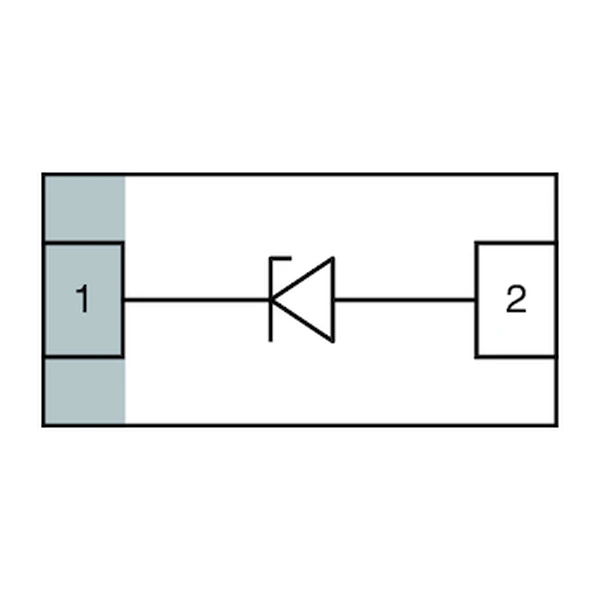
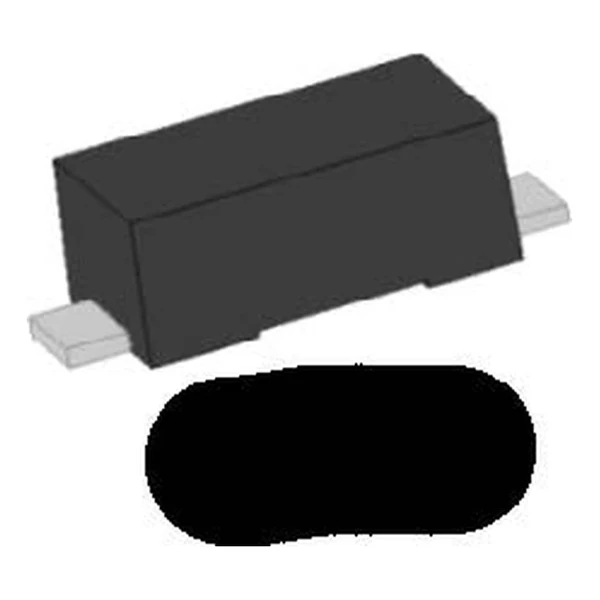
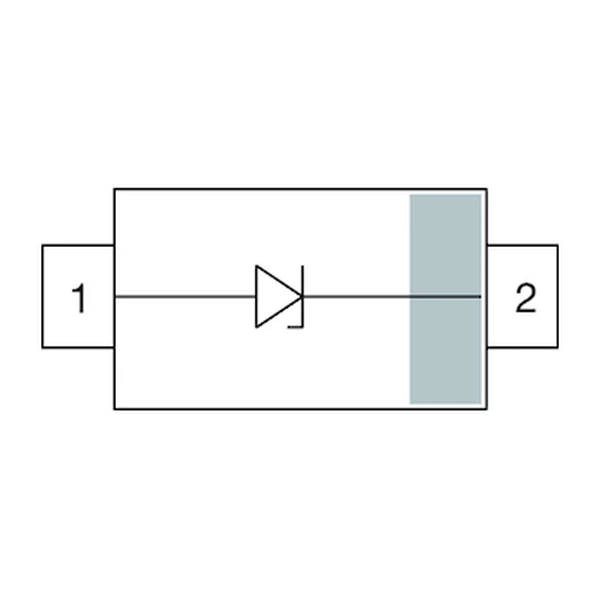
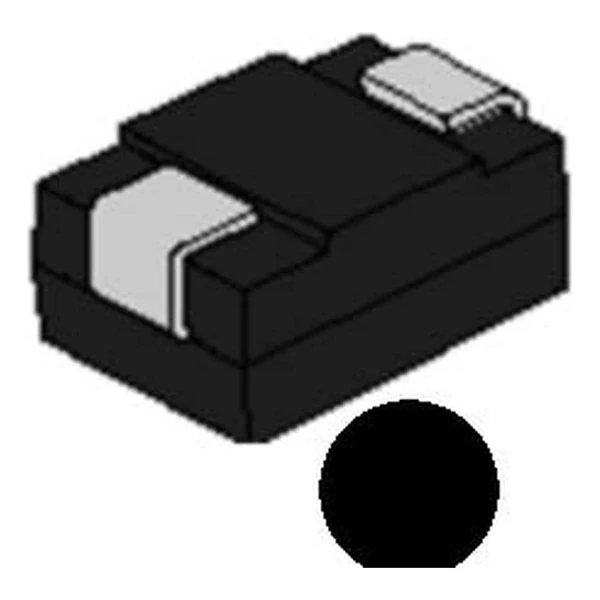
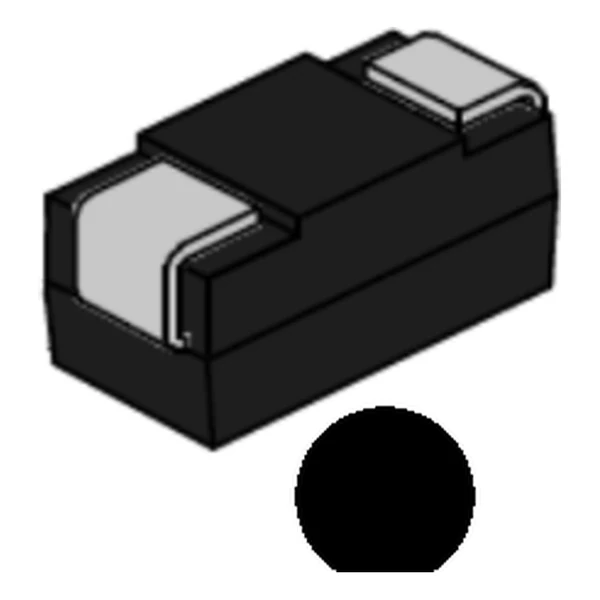
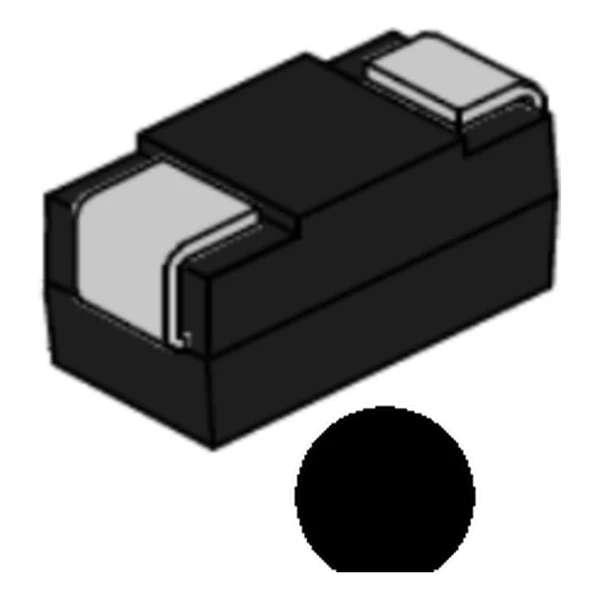
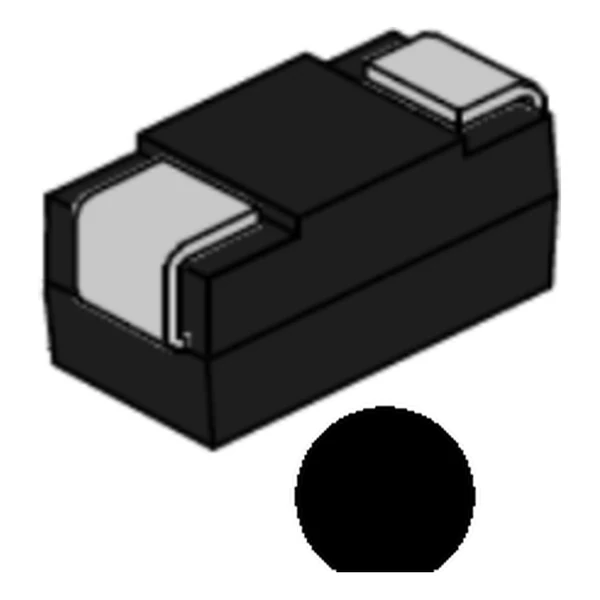
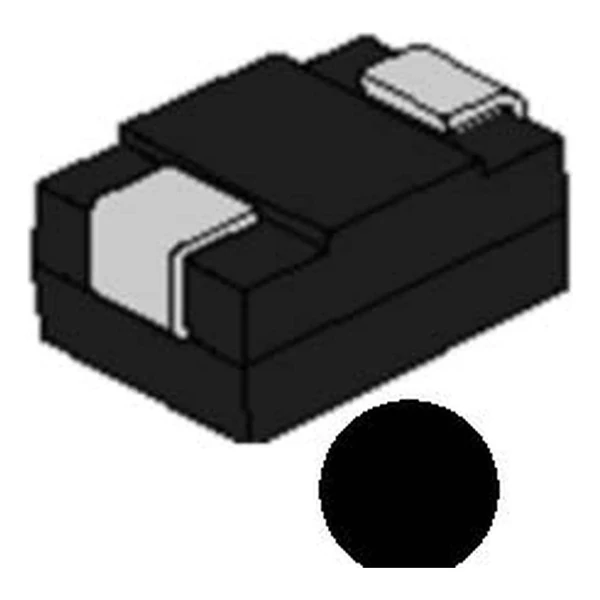
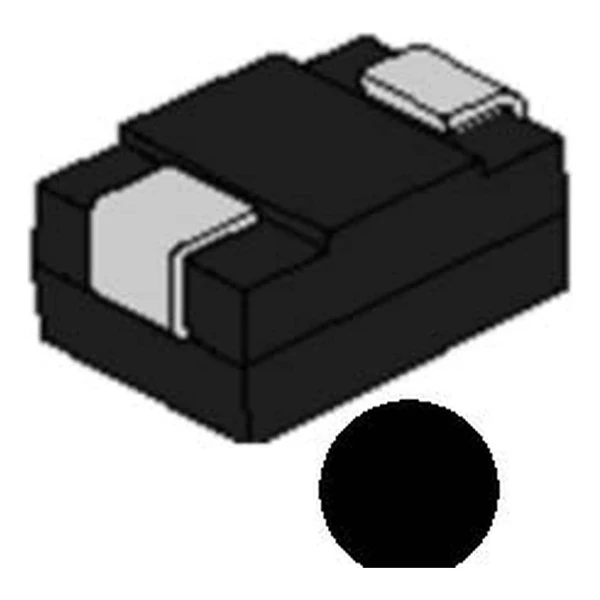
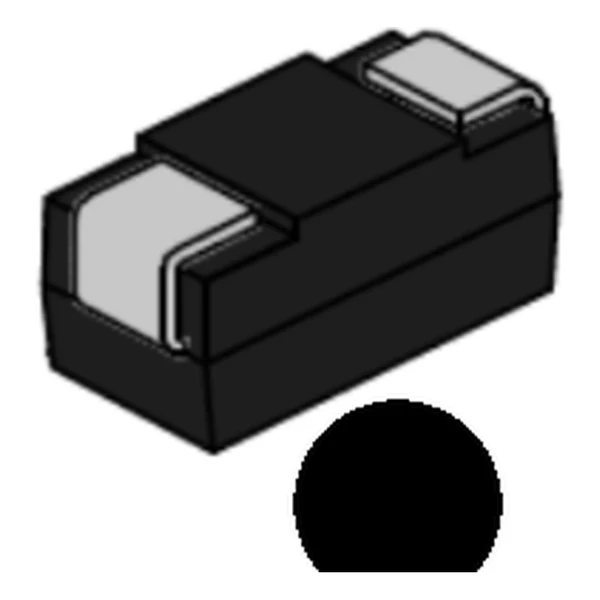
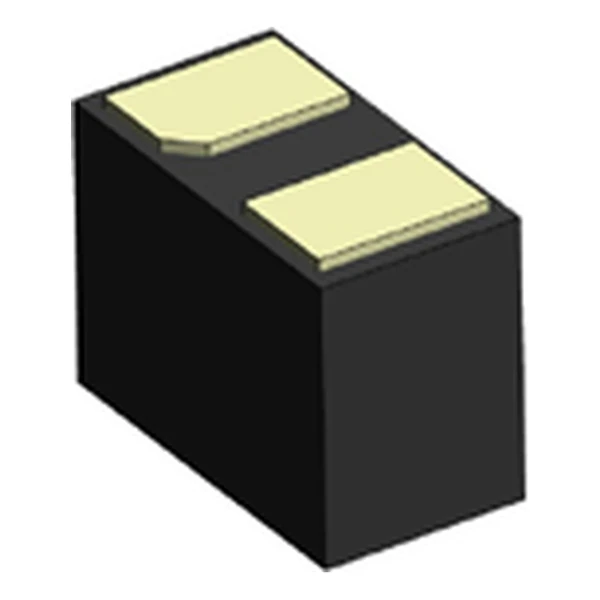
| Package | 0201 / DFN |
| Mounting | Surface mount |
| Operating temperature | -55 °C to +125 °C |
| Qualification | Commercial grade |
| RoHS | Compliant, halogen free |
| Data sheet | Eaton Technical Data 11137 |
Outline drawing, pad or lead geometry and the pulse derating curves are
on the pages of Eaton Technical Data 11137; the package line above is the
body the part is built in.
How to Read These Ratings
An ESD suppressor is a small clamp that sits on a connector pin and does nothing until a discharge arrives. Because the discharge is nanoseconds long, the part is chosen on capacitance and trigger voltage rather than on energy.
The 3 pF typical capacitance sets the highest data rate the part can sit on without distorting the eye.
Within the STN06 family this is item 5 of 6 in the Eaton catalogue.
Series Positioning
The ground pin goes to the connector ground, not to a distant plane. The discharge returns through that connection, and a long path turns the clamp into a radiator.
- A suppressor does not replace galvanic isolation. It limits the transient, but a sustained fault still puts the full line voltage across the board.
- The trigger voltage is a snapback figure. Between the standoff voltage and the trigger the part is still off, so a slow surge that stays in that window is passed through rather than clamped.
Frequently Asked Questions
What does bidirectional mean in practice?
The part clamps either polarity with the same characteristic, so it can be placed either way round and protects a line that swings below ground.
Does the package matter?
It sets the capacitance and the thermal mass. The same die in a 0201 and a 0603 gives different surge capability, so the package is part of the electrical choice, not just the footprint.
Can it be used on a power rail?
Yes, within the rated voltage, but the energy per event on a power rail is much higher than an ESD strike. For supply transients a TVS with a joule rating is the right part, not an ESD suppressor.
Shenzhen Gaorunxin Technology Co., Ltd
Online message
Shenzhen Gaorunxin Technology Co., Ltd