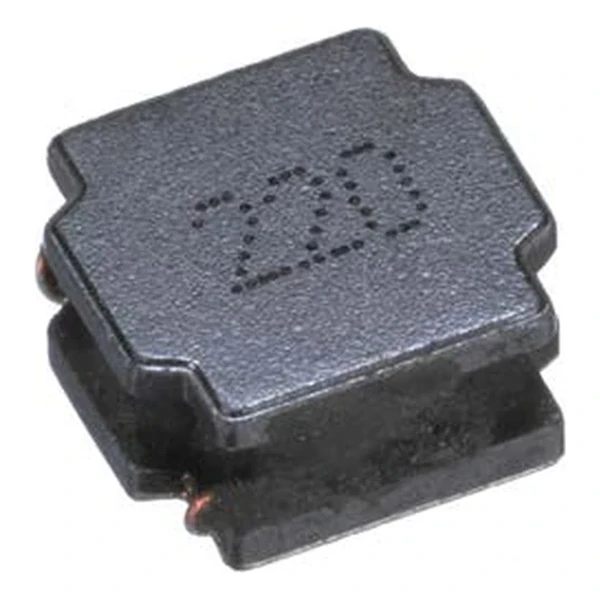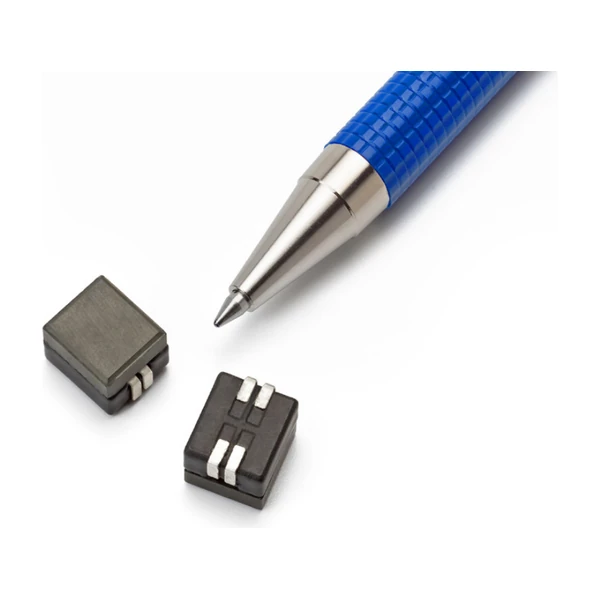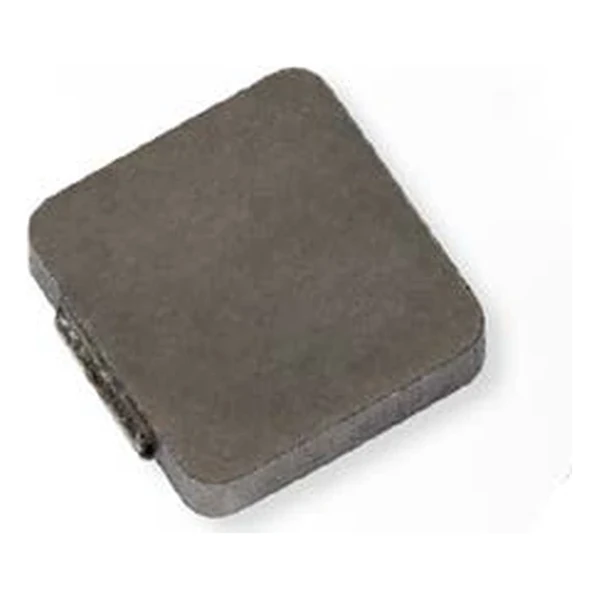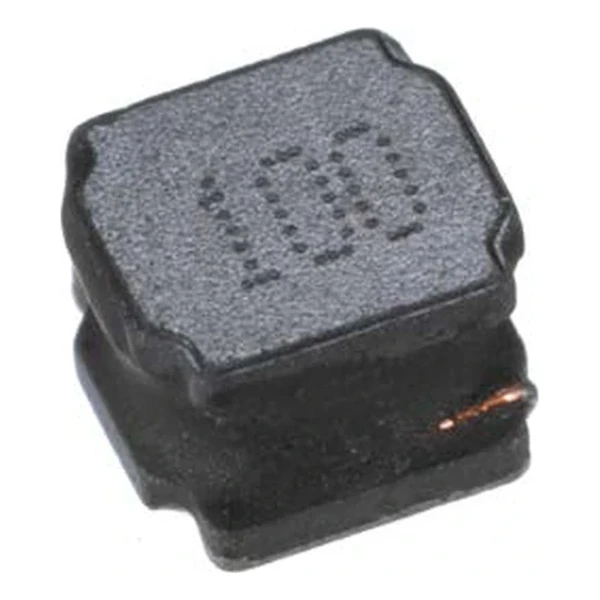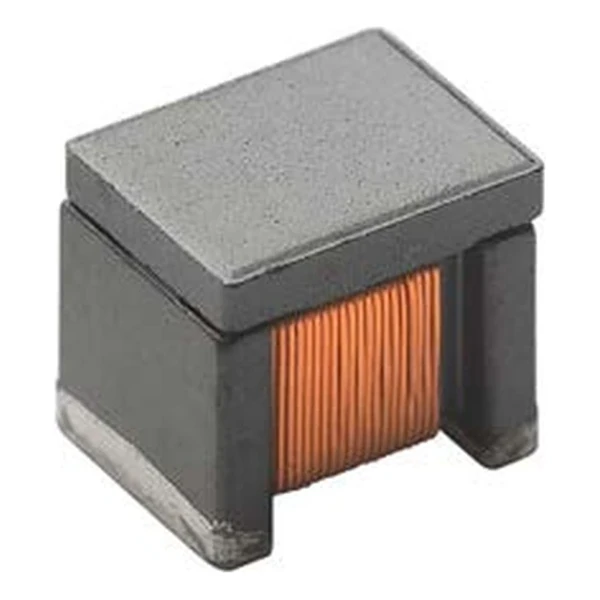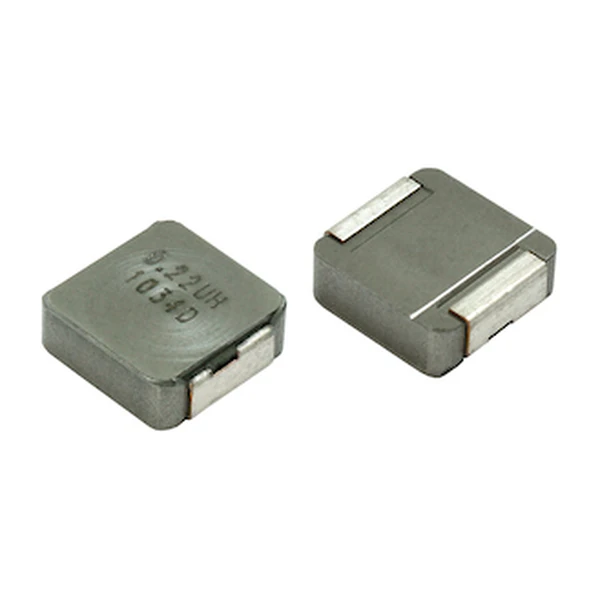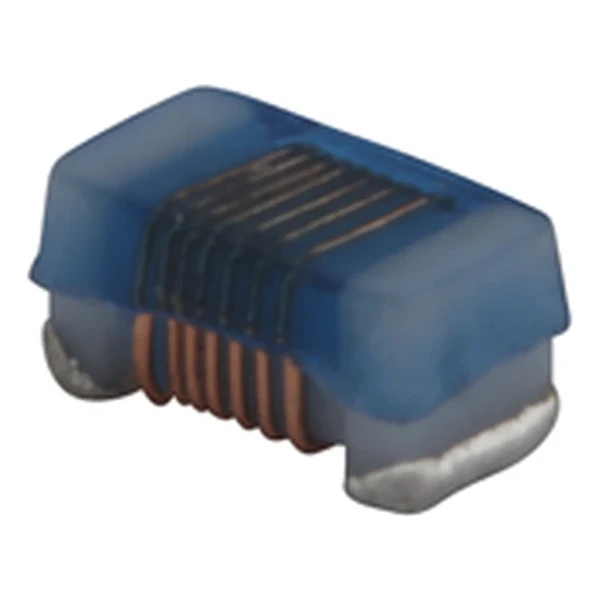
Eaton WCLA1608V1-560-R 56 nH RF Chip Inductor, SRF 1900 MHz
- Product Details
- Download
Eaton WCLA1608V1-560-R 56 nH RF Chip Inductor, SRF 1900 MHz
Ratings at a Glance
| Parameter | Value |
|---|---|
| Orderable part number | WCLA1608V1-560-R |
| OCL | 56 nH ±5% |
| Q minimum @ test frequency | 38 @ 200 MHz |
| SRF minimum | 1900 MHz |
| DCR maximum @ +25 °C | 280 mOhm |
| Rated current (20 °C rise) | 600 mA |
| OCL test frequency | 200 MHz |
| OCL test voltage | 500 mV |
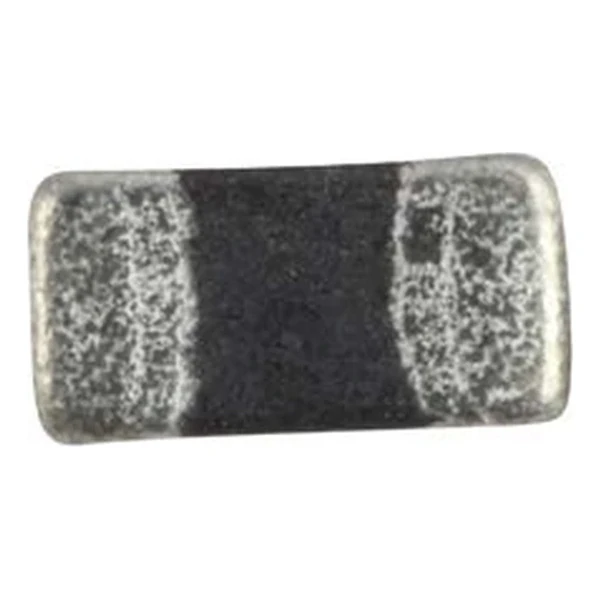
| Package | 1.78 x 1.10 mm, 0.95 mm high |
| Mounting | Surface mount |
| Operating temperature | -40 °C to +125 °C |
| Qualification | AEC-Q200 |
| RoHS | Compliant, -R suffix |
| Data sheet | Eaton Technical Data 10982 |
Dimensions and Pad Layout

Drawing reproduced from Eaton Technical Data 10982: outline views
with rated mm dimensions, pad layout and marking.
Reading the Data Sheet
Ceramic-core wire wound parts hold their value well with DC bias because there is no magnetic material to saturate. Ferrite-core versions give more inductance per size but start to roll off as the bias current rises.
At the 600 mA rating the winding drops about 168 mV and dissipates 101 mW. Both are small enough to ignore in a bias network but not in a high-Q filter.
Q of 38 at 200 MHz with self-resonance at 1900 MHz puts the useful band comfortably below the point where the winding capacitance takes over.
Within the WCLA1608V1 family this is value 20 of 31, in a range from 1.6 to 470 nH.
What This Family Is For
The WCL and WCLA families run from 1.0 nH in a 1.19 x 0.66 mm body to 560 uH in 3.5 x 2.9 mm, with Q quoted at a stated test frequency for every row.
- The rated current is a 20 °C rise figure, not a saturation limit. In a DC bias application check the inductance at the actual bias before sizing the filter.
- Typical applications: adas; infotainment; wireless communications; wifi, bluetooth, satellite; antenna tuning.
- Design note: read Q and SRF at the frequency the part works at, not at the test frequency printed in the table.
Frequently Asked Questions
Can I place it with a standard chip shooter?
Yes, the body and terminals are dimensioned for tape and reel and standard nozzle placement. Check the terminal width against the pad geometry in the drawing.
Is the automotive version electrically different?
The construction is the same; the qualification and the temperature range are not. The WCLA parts are AEC-Q200 qualified and rated to +125 °C, the commercial WCL parts to +85 °C.
What happens above the self-resonant frequency?
The winding capacitance dominates and the part behaves capacitively. Keep the working band, and the harmonics that carry energy, below SRF.
Shenzhen Gaorunxin Technology Co., Ltd
Online message
Shenzhen Gaorunxin Technology Co., Ltd